
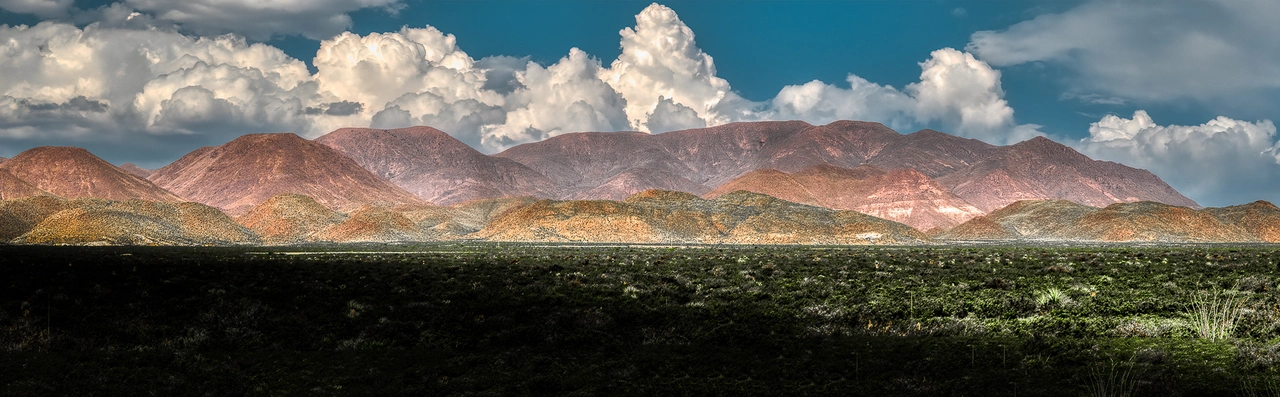
The Trump administration is pushing forward with plans to construct a border wall through Big Bend National Park in West Texas — one of the most remote and ecologically diverse protected lands in the country.
The move has alarmed conservationists, environmental advocates, and communities who depend on the park’s natural beauty for their livelihoods.
On February 17, U.S. Customs and Border Protection published a map outlining a proposed “Smart Wall” that would stretch across the U.S.-Mexico border from Southern California to the Gulf of Mexico.

Short video describing what is meant by “smart wall.”
The map includes a section running directly along the southern edge of Big Bend National Park, a sprawling 800,000-acre park that shares 118 miles of border with Mexico along the Rio Grande.
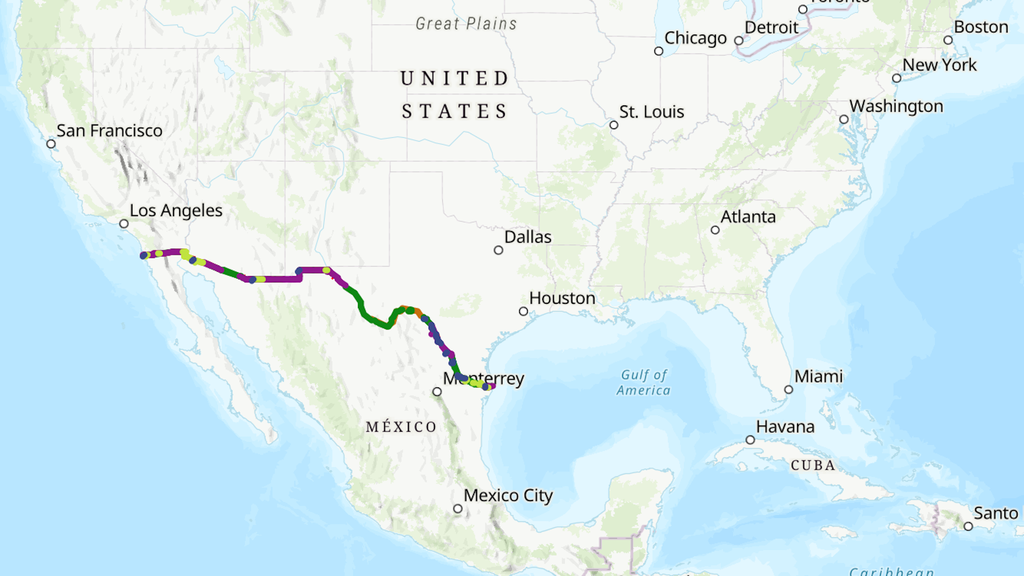
The wall is expected to include cameras, lighting, and surveillance technology, with a projected completion date of 2028.
But this isn’t just a tech upgrade.
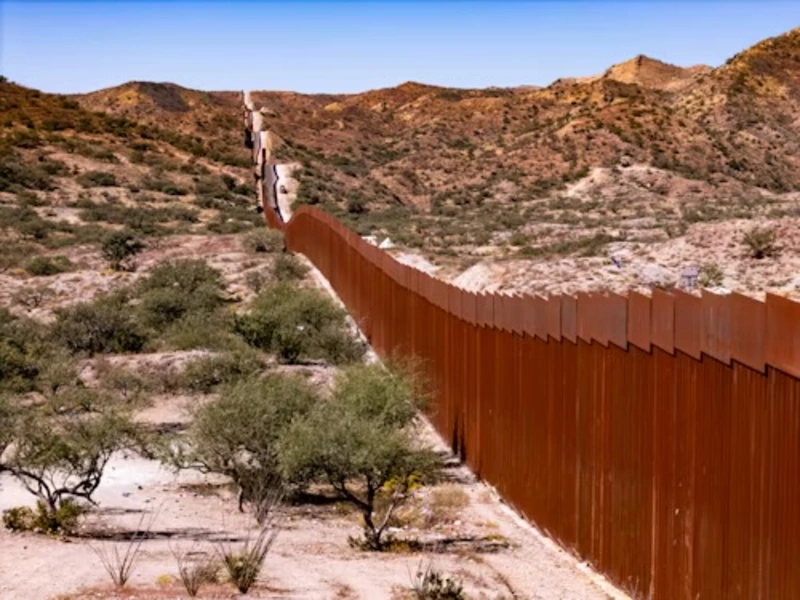
According to CBP, portions of the physical barrier would be built inside sections of both Big Bend National Park and the neighboring Big Bend Ranch State Park.
28 Laws Waived to Make It Happen
To fast-track construction, the Department of Homeland Security signed waivers for at least 28 federal laws on the same day the map was released.
Among them: the National Environmental Policy Act, the Endangered Species Act, the Clean Water Act, the Clean Air Act, and the National Historic Preservation Act.
Let that sink in.
Kristi Noem and the DHS waived the Endangered Species Act prior to this to build a section of the border wall through the Lower Rio Grande Valley Wildlife Refuge in Texas in August 2025.
The wildlife refuge was home to the Ocelet, an endangered species.
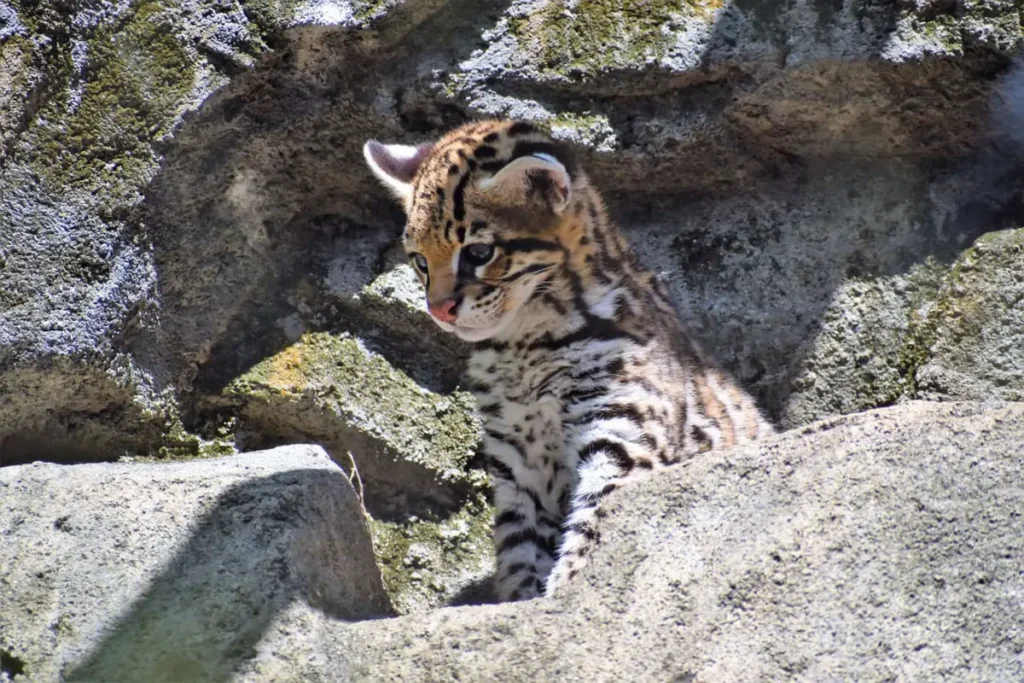
Image by F. Muhammad from Pixabay
These aren’t obscure bureaucratic regulations.
They are the legal foundations that protect the air we breathe, the water we drink, the wildlife that sustains ecosystems, and the historical sites that connect us to our past.
Waiving them means the federal government can bulldoze forward — literally — without conducting environmental impact reviews or considering the consequences.
DHS says contracts have already been awarded. Construction could begin at any time.
What’s Actually at Stake
Big Bend isn’t just another stretch of border.
It’s one of the most biologically rich landscapes in the entire national park system.
The park is home to desert bighorn sheep, black bears, mountain lions, and hundreds of bird species.
Related

Its rugged canyons and river corridors serve as critical pathways for wildlife that moves freely across the border — animals that don’t recognize political boundaries.
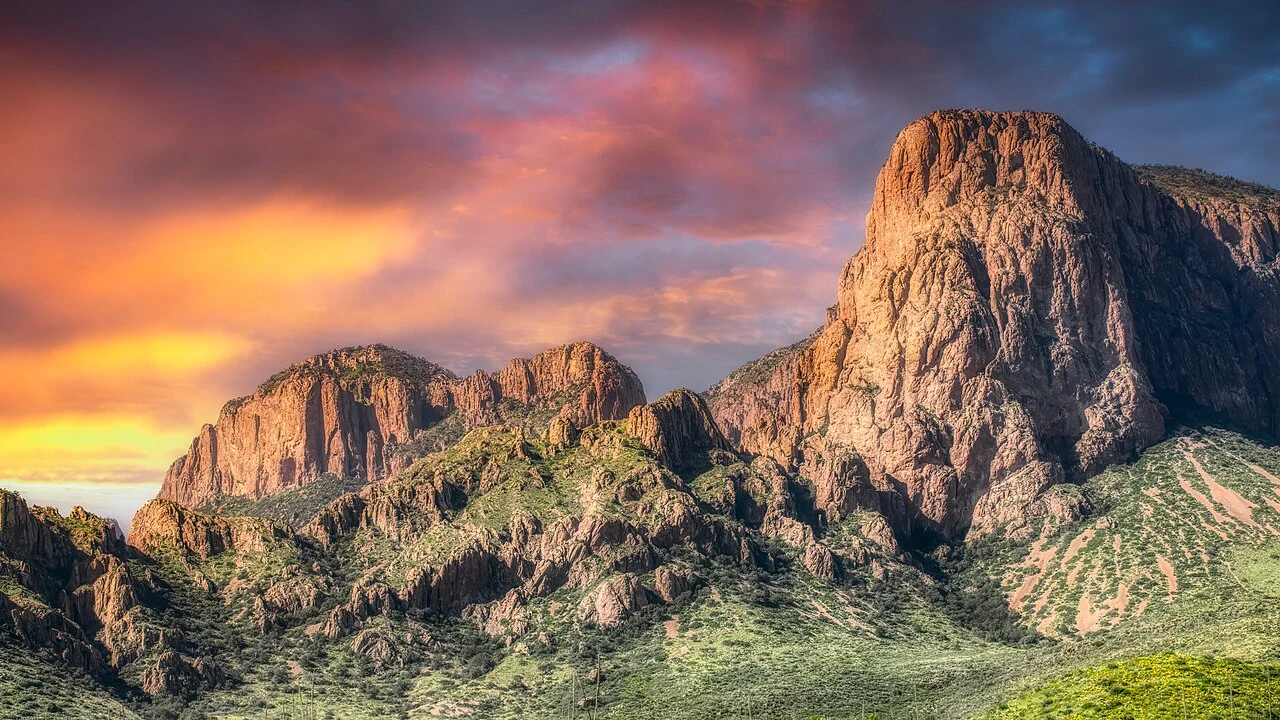
Environmental groups warn that installing bollard-style barriers through this landscape could cut off wildlife from the Rio Grande, their primary water source.
It could fragment ecosystems and disrupt migration corridors that species have relied on for thousands of years.
There are practical dangers, too.
Bollard walls are known to trap debris during flash floods. Big Bend experienced exactly this kind of devastating flooding in 2025.
Building barriers in flood-prone desert terrain risks worsening erosion and altering natural water flow in ways that could cause lasting damage.
Local Communities Speak Out
The National Parks Conservation Association has been vocal about the threat to both the environment and the local economy.
Big Bend is a major driver of tourism for surrounding communities — small towns that depend on visitors drawn to the park’s otherworldly beauty.
Cary Dupuy, the NPCA’s Texas Regional Director, put it plainly: the wall makes no logistical sense in this terrain and would only destroy what makes the region special.
The organization is calling for border security solutions that account for the unique characteristics of the landscape and the communities that call it home, rather than a one-size-fits-all wall that ignores both.
The Bigger Picture
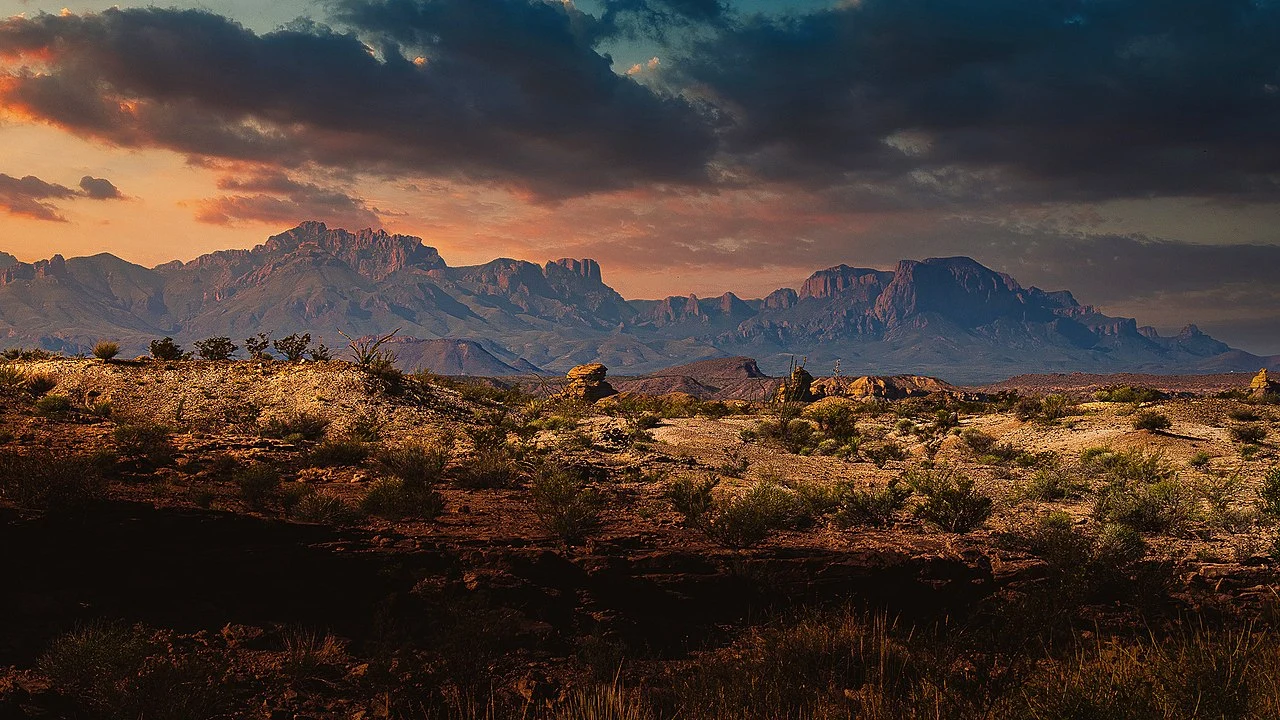
This project is part of the administration’s broader strategy to fortify the entire southern border with a combination of physical barriers and digital surveillance systems.
But critics argue that extending the wall through one of America’s last truly wild places reveals the real priorities at play — and environmental protection isn’t one of them.
When you waive 28 federal laws designed to protect public health and natural resources, you’re not just building a wall.
You’re sending a message about what this administration is willing to sacrifice — and who bears the cost.
Environmental organizations are expected to challenge the project through public advocacy and potential legal action.
But with waivers already signed and contracts already awarded, the clock is ticking for Big Bend.
The question isn’t just whether a wall belongs in a national park. It’s whether we’re willing to let the places we’ve promised to protect become collateral damage in a political project that may do more harm to the land than any threat it claims to address.