

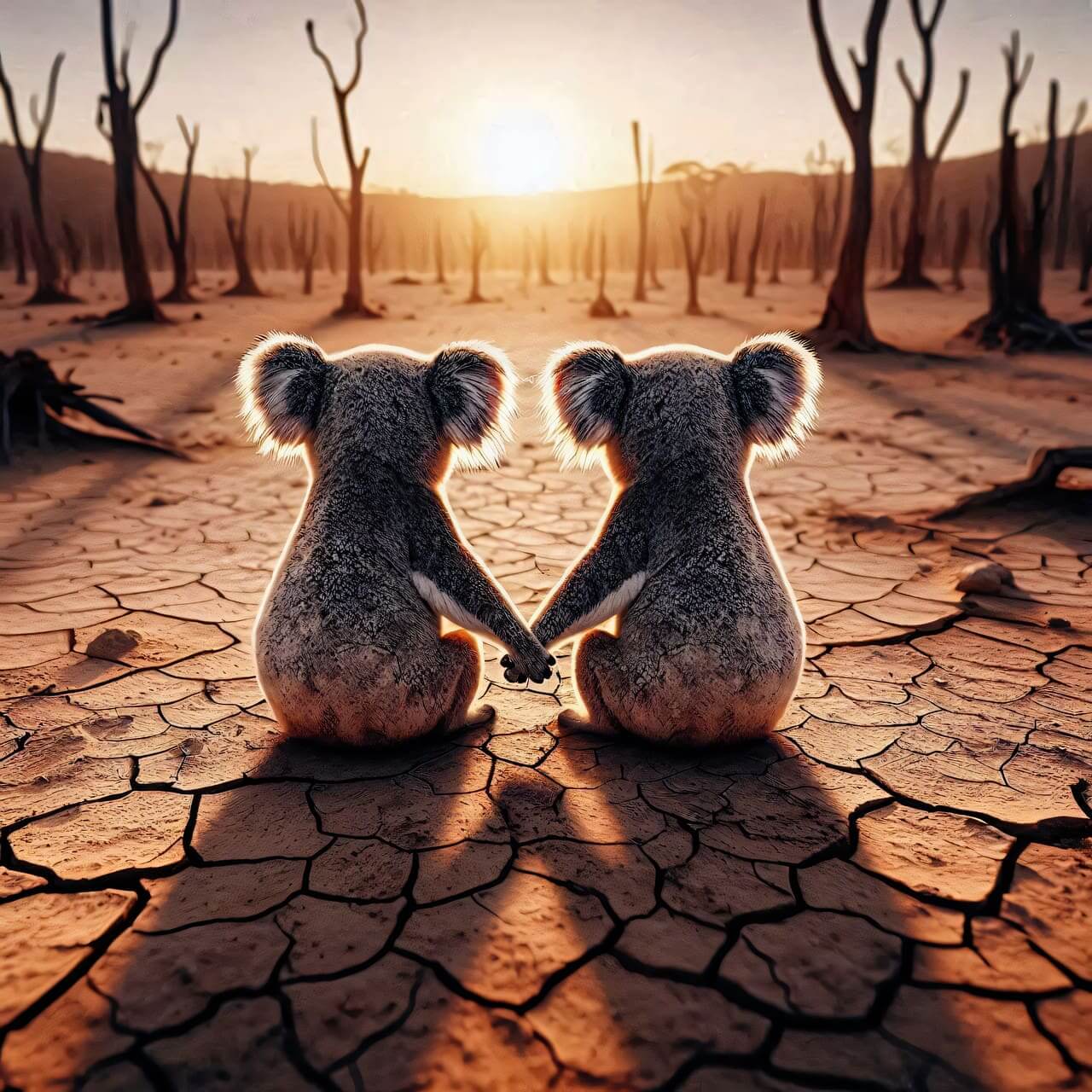
New to the climate conversation? This explainer breaks down the core causes of climate change and the solutions available to address it.
Climate change, an intricate and interconnected global phenomenon, is an issue in urgent need of our attention.
It’s no longer something we can ignore. Glaciers are melting and we are experiencing extreme weather events in the U.S. more frequently than in the past.
The Summer sun feels hotter and warm temperatures are hanging around longer. States in the south are experiencing rare snowstorms and exceptionally strong hurricanes.
The Basics of Climate Change
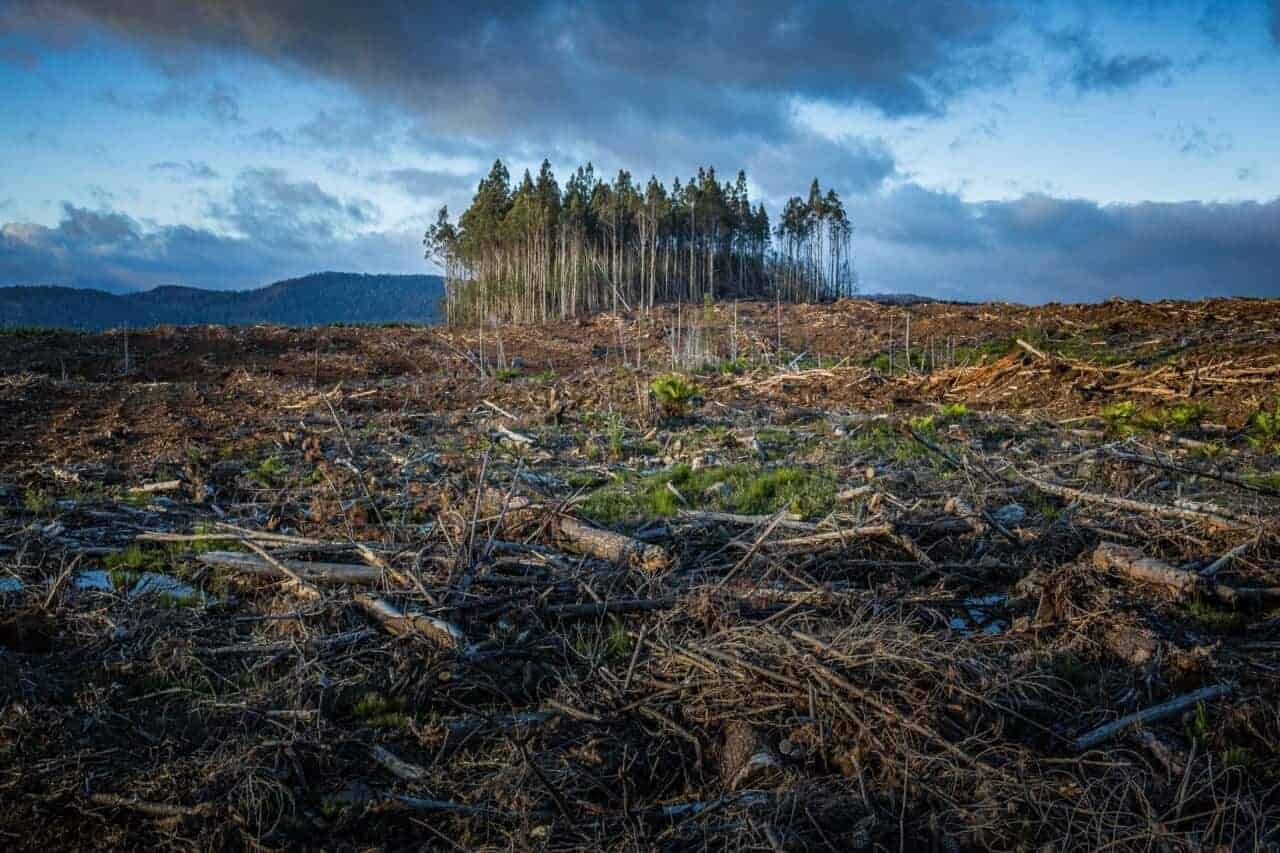
At its core, climate change refers to long-term changes in temperature and weather patterns on the planet. While natural processes influence climate, human activities, particularly the burning of fossil fuels, deforestation, and industrial processes, have accelerated these changes over the past century.
Greenhouse Gases and Their Warming Effect
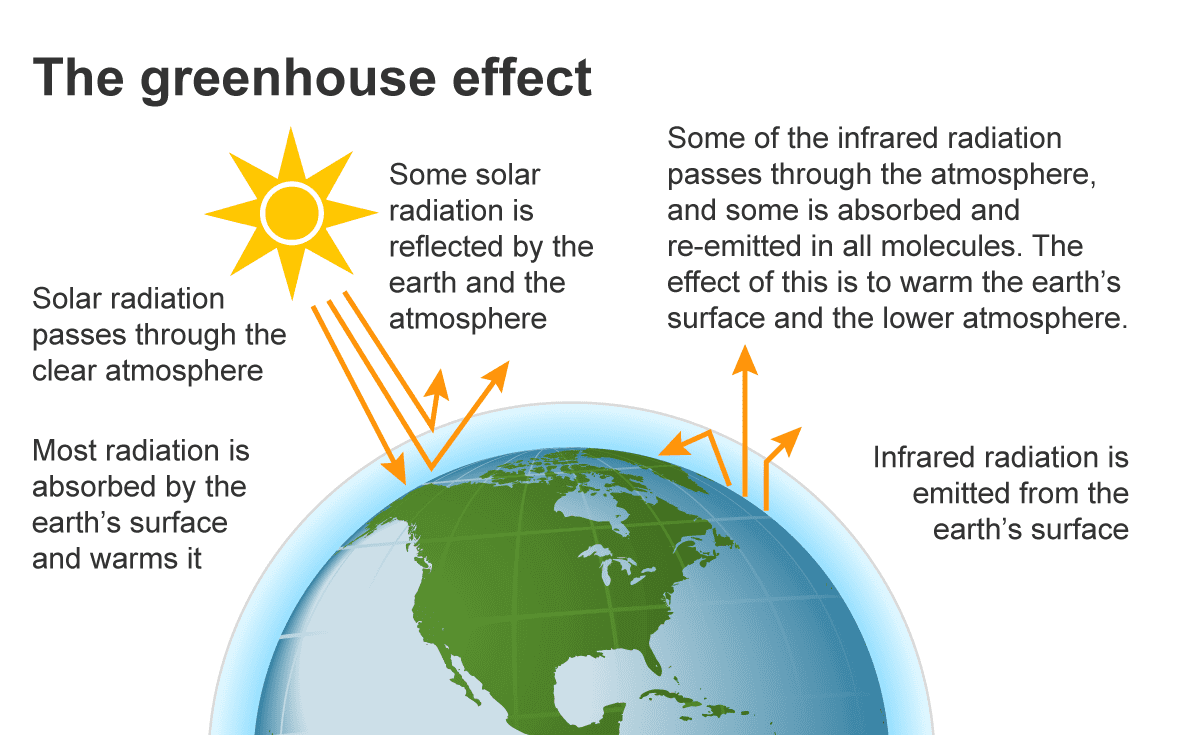
The primary driver of climate change is an increase in greenhouse gas concentrations, such as carbon dioxide (CO2) and methane (CH4). These gases trap heat in the Earth’s atmosphere, leading to a gradual warming known as the greenhouse effect.
Visible Consequences
Climate change manifests in different ways, impacting ecosystems, weather patterns, and sea levels. Some of the consequences we can see include:
Rising Temperatures: Global temperatures are on the rise, resulting in heatwaves and altering natural temperature balances.
Extreme Weather Events: The increased frequency and intensity of weather events like hurricanes, floods, droughts, and wildfires are linked to climate change.

Melting Ice Caps and Rising Sea Levels: Warming temperatures contribute to the melting of glaciers and polar ice caps, causing sea levels to rise.
Ocean Acidification: Excess CO2 absorbed by oceans leads to increased acidity, posing threats to marine life.
Impact on Ecosystems and Biodiversity
Climate change poses significant threats to biodiversity, disrupting ecosystems and jeopardizing the survival of plant and animal species. Shifts in temperature and precipitation patterns can affect migration, reproduction, and the availability of food and habitats.
Mitigation and Adaptation
Mitigation: Reducing greenhouse gas emissions through renewable energy adoption, sustainable land use practices, and energy efficiency measures.
Adaptation: Preparing for and adapting to the changing climate by implementing appropriate infrastructure, sustainable agriculture, and conservation efforts.
Global Cooperation
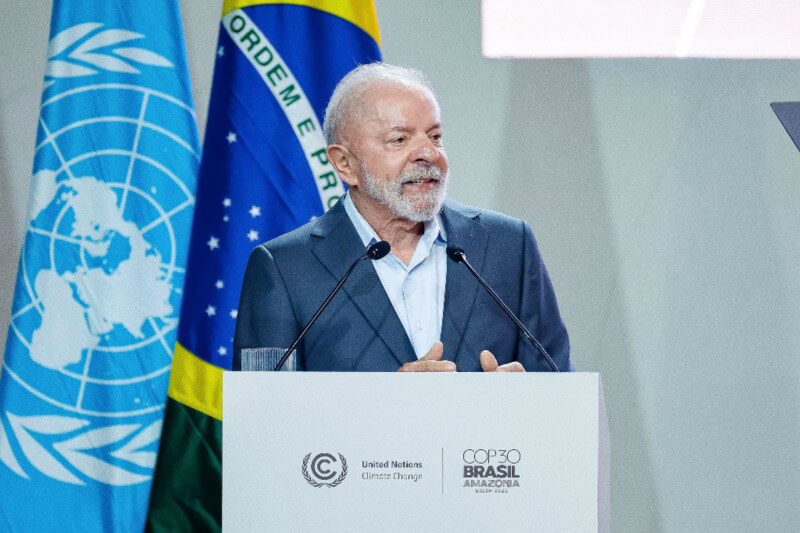
Climate change is an urgent global challenge that requires a collective response. Understanding its causes and consequences is the first step toward implementing effective strategies to lessen its impact and come up with ways to adapt to the changes.
Because climate change does not respect borders, international collaboration is necessary. Agreements like the Paris Agreement, or Paris Climate Accords, was drafted to unite nations in collective efforts to limit global temperature increases and lessen the impacts of climate change.
By adopting sustainable practices, advocating for policy changes, and working with world leaders in the name of international cooperation, we can work together towards a stronger, more sustainable future for our planet.

President Joe Biden was named the “first climate President” in the history of the country. He was responsible for passing the most climate legislation of any other President.
We made giant strides in terms of doing something to save the planet. Solar and wind energy projects were started all over the country. Even citizens in red states were happy because the projects brought jobs to their districts.
All of that progress disappeared when President Trump entered the White House for his second term. He canceled every one of the clean energy projects. He leased federal land to oil and gas companies so they could drill even more than they already were (which was more than at any other time in history).
The Trump administration cut-off funding to every climate-related project, banned “climate change language” from the federal government, and began the process of shutting down NOAA (as instructed in Project 2025).
And at a time when extreme weather events are becoming more deadly and occurring more frequently, they’re getting rid of FEMA. Make it make sense!
The UN’s climate report and the world’s climate scientists issued a warning in 2025: We will reach the “point of no return” as far as the rate of global warming within years, not decades.
Bottom Line
If we ever want to make real, impactful progress in addressing climate change, Americans will need to continue to elect Democratic presidents—at least until the Republican party ends it’s climate denialism.
See our article on climate denialism to learn more about this behavior.