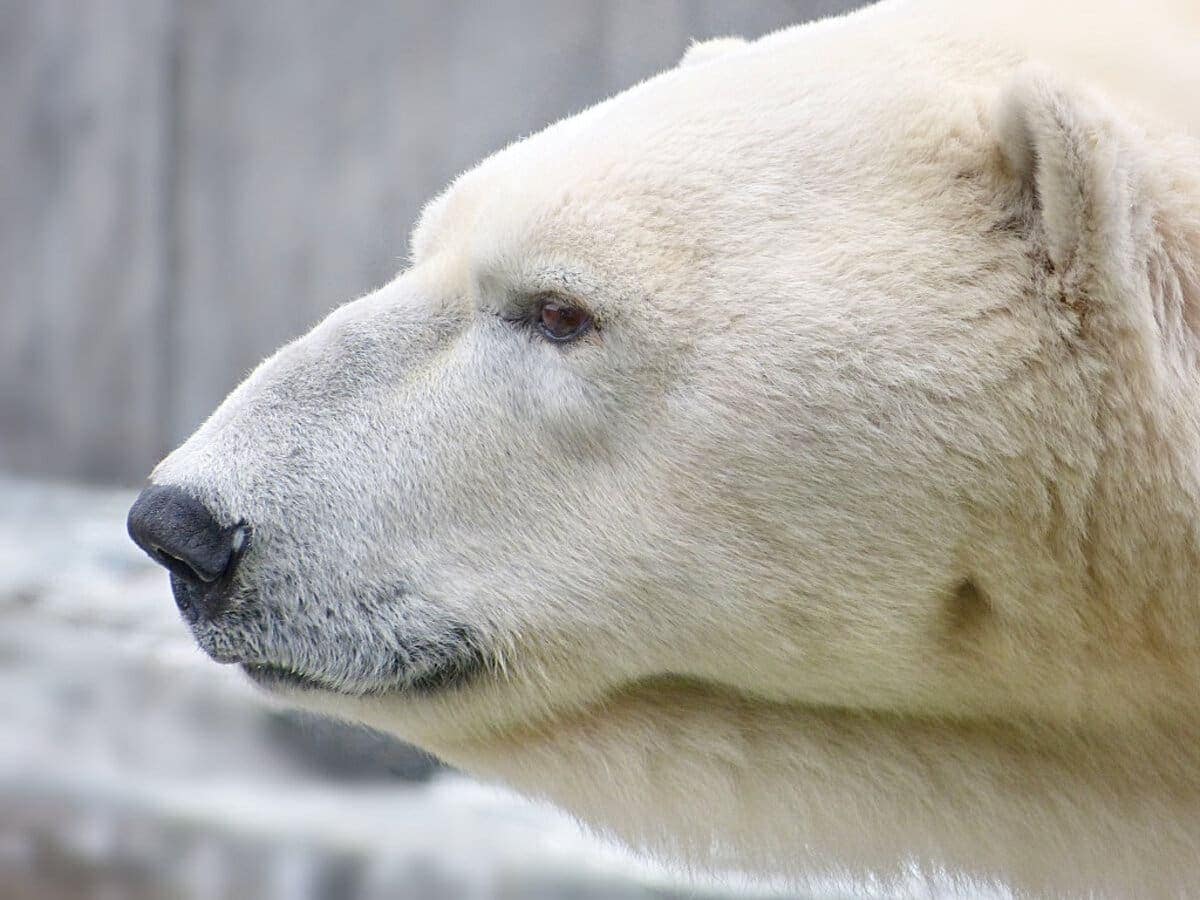

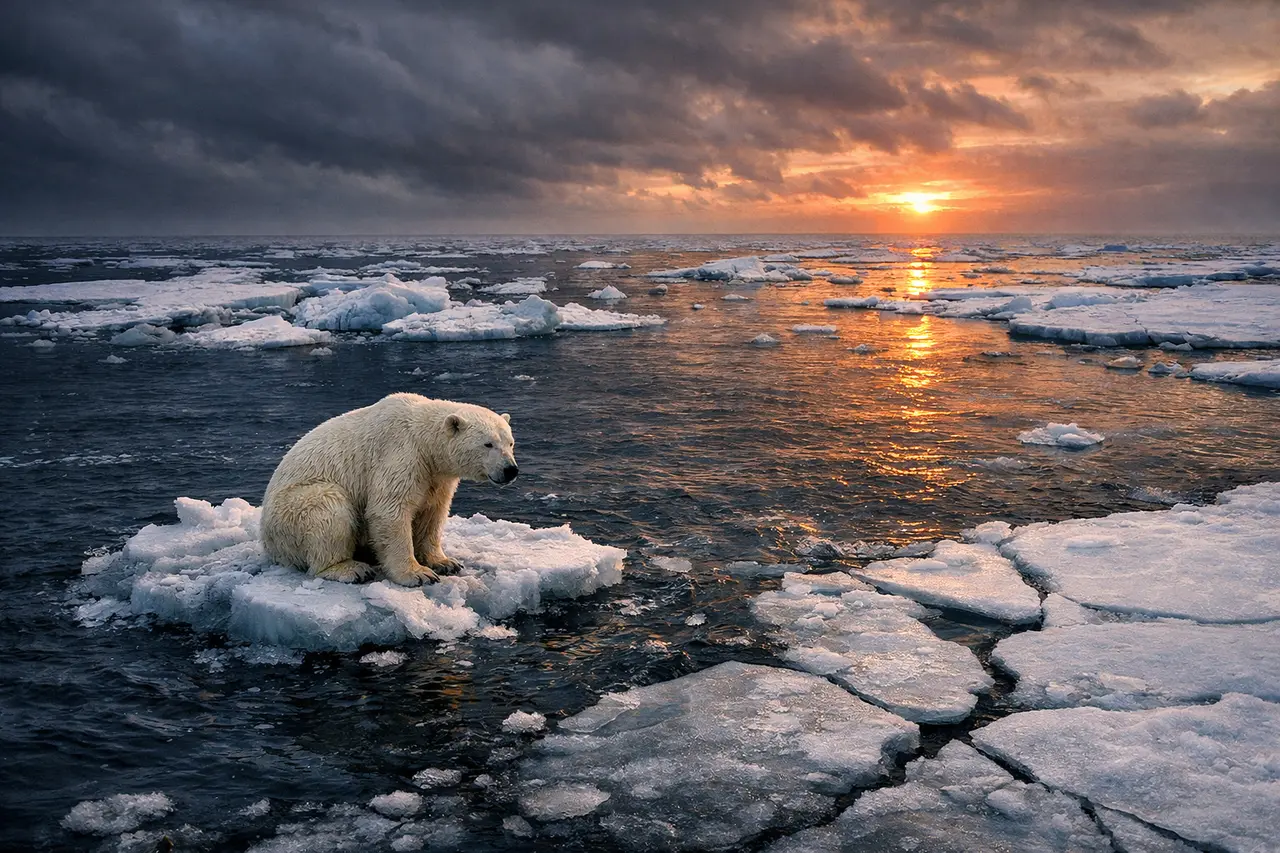
Somewhere in Canada’s Hudson Bay, a polar bear mother presses across a shrinking platform of ice, searching for the seals that will sustain her and the two cubs trailing behind her. Every year, that platform gets smaller. Every year, her window to hunt gets shorter. And every year, the odds stack a little higher against those cubs surviving their first season.
This is the reality of climate change for polar bears — not a distant, abstract threat, but an unfolding crisis that scientists can now measure in lost calories, missing cubs, and vanishing populations.
A Population in Freefall
The numbers are stark. The Western Hudson Bay polar bear population — the most studied group in the world — has declined by roughly 50 percent since the mid-1990s. A landmark study published in the journal Science in January 2025 established, for the first time, the precise mechanism behind the collapse: climate-driven sea ice loss is starving the bears of the energy they need to survive and reproduce.
Researchers from the University of Toronto Scarborough, Environment and Climate Change Canada, and Polar Bears International built what they call a “bioenergetic model” — essentially a detailed energy budget tracking how much food the bears take in versus how much they need to grow, reproduce, and stay alive.
Drawing on 42 years of observation data, the team demonstrated that shorter hunting seasons on dwindling sea ice have created a chronic energy deficit that ripples through the entire population.
Globally, an estimated 26,000 polar bears remain in the wild, spread across 20 recognized subpopulations in the Arctic. The International Union for Conservation of Nature classifies them as “Vulnerable,” and some researchers warn that more than two-thirds of the world’s polar bears could disappear by 2050 if greenhouse gas emissions continue unchecked.
This is terrible news when the Trump administration is reversing the scientific finding that greenhouse gases are dangerous in order to remove regulations limiting polluters’ emissions.
In Alaska, the situation is especially alarming. Draft 2025 population estimates show the Southern Beaufort Sea population has dropped to just 819 bears, down from an already diminished number. That population experienced a roughly 40 percent crash during the 2000s and has never recovered.
Why Sea Ice Is Everything
To understand what climate change means for polar bears, you have to understand how completely their lives revolve around sea ice. They hunt on it, travel across it, mate on it, and in some regions, den on it. Most critically, sea ice is where they access their primary food source: seals.
Polar bears are ambush predators. They wait at breathing holes or along the ice edge for ringed and bearded seals to surface, then strike. Without a solid ice platform, this strategy falls apart. As researchers have noted, a seal in open water will outswim a polar bear nearly every time.
The Arctic is warming at roughly four times the global average. That means sea ice is forming later in the fall and breaking up earlier in the spring, compressing the bears’ hunting season from both ends.
In Hudson Bay, polar bears now spend approximately three to four fewer weeks on the ice each year compared to the mid-1980s.
That translates to weeks of lost hunting — and weeks of additional fasting on land, where food options are scarce and nutritionally inadequate.
When bears are stranded on land, they mostly burn through their fat reserves. Some scavenge berries, kelp, or the occasional bird egg, but studies have found these alternatives cannot come close to replacing the caloric value of seal blubber.
In some documented cases, bears have lost up to 11 percent of their body mass during extended land-based fasting periods.
Mothers and Cubs Bear the Heaviest Burden
Perhaps the most heartbreaking dimension of this crisis is what it means for polar bear mothers and their young. The 2025 Science study highlighted that cubs are the most vulnerable members of the population — and their survival drives the survival of the entire group.
When the hunting season shrinks, mothers take in less energy over the year. That means they produce less milk, and their cubs enter their first fasting period underweight and underprepared.
Cub litter sizes in Western Hudson Bay have dropped by 11 percent compared to nearly four decades ago, and mothers are keeping their cubs dependent for longer because the young bears simply are not strong enough to survive on their own.
It is a cycle that feeds on itself. Fewer cubs surviving means fewer bears reaching reproductive age, which means smaller future generations — each one facing an environment with less ice than the last.
A polar bear mother creates an avalanche to save her family

The Ripple Effect Across the Arctic
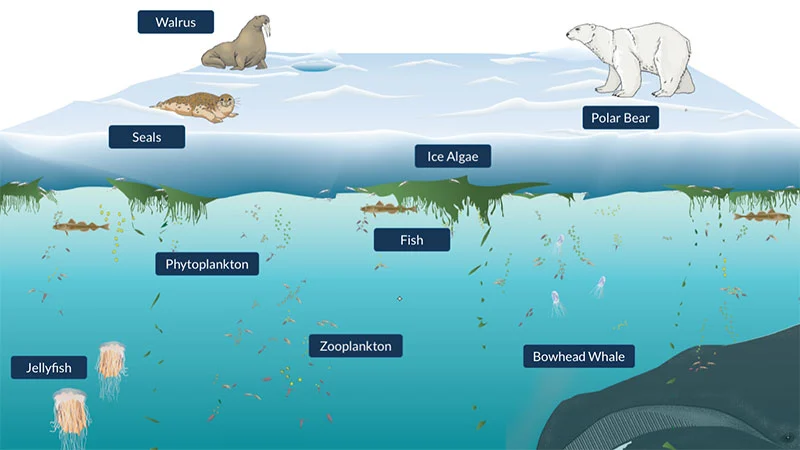
Polar bears are not the only species caught in this collapse. Sea ice supports an entire ecosystem, from the algae that grows within it to the plankton that feeds on that algae, to the fish and seals that depend on the whole chain. When sea ice disappears, it takes a web of interconnected life with it.
Scientists describe polar bears as a “bellwether” species — an early warning signal for the health of the broader Arctic ecosystem. Losing the top predator sends shockwaves through the food web that affect marine mammals, seabirds, and the Indigenous communities whose cultures and food systems are deeply tied to the Arctic environment.
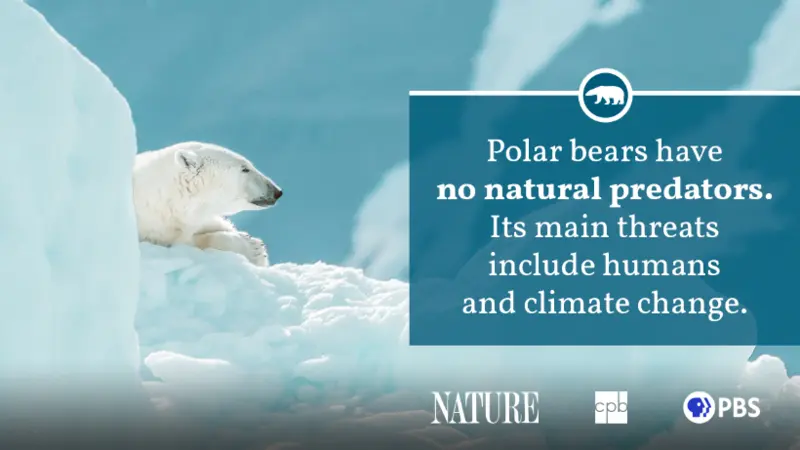
Meanwhile, warming is opening the Arctic to increased industrial activity. Shipping traffic through Arctic waters increased 37 percent between 2013 and 2023, bringing pollution, underwater noise, and the risk of oil spills into critical habitat. Oil and gas exploration is pushing into polar bear denning areas, and human-bear conflicts are rising as starving bears wander closer to communities in search of food.
A Glimmer of Hope — Written in DNA
Amid the dire projections, a December 2025 study from the University of East Anglia offered an unexpected finding. Researchers analyzing blood samples from polar bears in Greenland discovered that the bears’ genomes are undergoing rapid changes in response to warming temperatures.
Sequences known as “jumping genes” — mobile pieces of DNA that can influence how other genes function — showed dramatically increased activity in bears living in warmer southeastern Greenland compared to those in the colder north.
The researchers found signs that these genetic shifts may be helping some bears adapt their metabolism and shift toward a more plant-based diet.
Lead researcher Dr. Alice Godden described it as a potential survival mechanism against melting sea ice — but cautioned that it does not reduce the overall extinction risk.
The finding is a reminder that life is resilient and adaptive in ways we are still learning to understand. But adaptation takes time, and the pace of Arctic warming may outstrip what even the most genetically flexible bear population can handle.
What Comes Next
The science is clear: without significant reductions in greenhouse gas emissions, polar bears in the southern parts of their range face local extinction within decades.
Some researchers project that Hudson Bay populations could collapse between 2030 and 2060. Under the worst emissions scenarios, only a handful of high-Arctic subpopulations may persist by the end of the century.
Conservation organizations like the World Wildlife Fund and Polar Bears International are working to protect “last ice areas” — the regions of the Arctic projected to retain sea ice the longest — and to reduce human-bear conflicts as the animals spend more time on land.
Indigenous communities across the Arctic are partnering with scientists to monitor populations using innovative methods, including tracking bears through DNA extracted from footprints in the snow.
Collecting DNA from polar bear footprints

But the most important intervention is the one that extends far beyond the Arctic. Polar bears cannot be saved by local conservation efforts alone.
Their fate is tied directly to the global choices we make about fossil fuels, energy systems, and the kind of planet we are willing to leave behind.
Every fraction of a degree of warming matters. Every policy decision about emissions matters. The polar bear standing on that shrinking ice is not just a symbol — it is a measure of how seriously we are taking our responsibility to the natural world.
The ice is disappearing. The question is whether we will act before it is gone.