

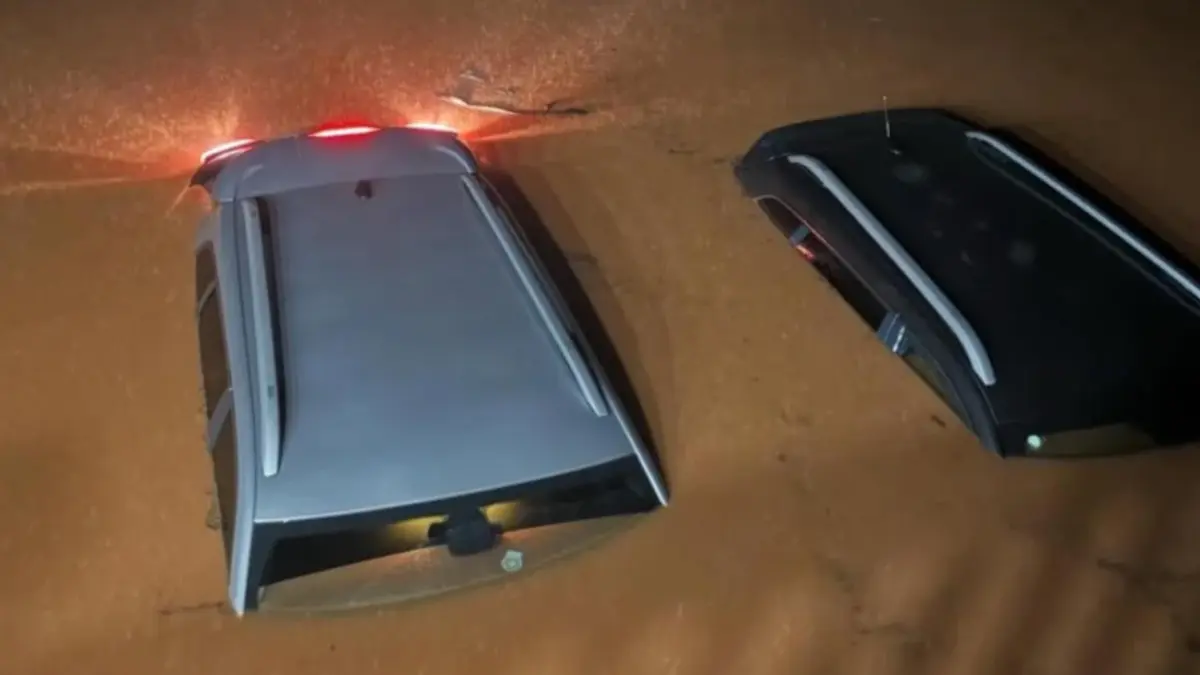
Oahu’s North Shore is underwater. Homes have been ripped from their foundations. Hundreds of people have been pulled from floodwaters by helicopter and rescue boats.
And for hours on Friday, emergency officials warned that a 120-year-old dam owned by the Dole Food Company was on the verge of catastrophic failure — a collapse that could have sent billions of gallons of water crashing into towns already drowning.
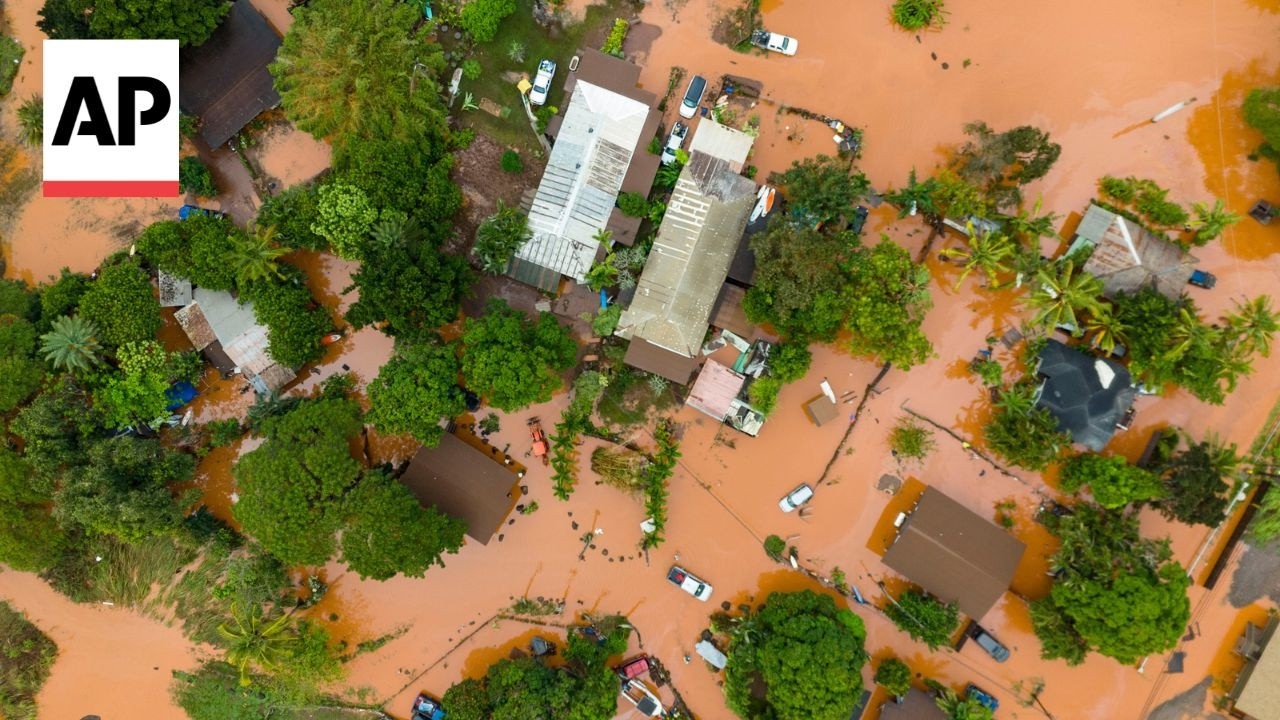
Hawaii is enduring its worst flooding in more than two decades, hammered by back-to-back Kona low storm systems that have dumped extraordinary amounts of rain on already saturated ground.
Parts of Oahu received 8 to 12 inches of rain Thursday night into Friday. The island’s highest peak, Kaala, recorded nearly 16 inches in a single day.
Governor Josh Green said total rainfall in some areas of the state reached 40 to 50 inches, and estimated damages could top $1 billion across airports, schools, roads, homes, and a Maui hospital.
But the most alarming part of this disaster is not the storm itself.
It is the fact that thousands of lives hung in the balance because a multinational corporation spent decades ignoring warnings about a dam it knew was dangerous.
“LEAVE NOW”
At 5:35 a.m. Friday, Honolulu emergency officials sent an alert to residents of Waialua and Haleiwa on Oahu’s North Shore: “LEAVE NOW.”
The Wahiawa Dam, which sits about 17 miles northwest of Honolulu, was rising fast.
Overnight, water levels surged from 79 feet to 84 feet — just six feet below what the structure can handle. The dam’s crest sits at 88 feet.
By 8:30 a.m., the city posted an “imminent dam failure” notification. Water was pouring over the spillway at 1,500 gallons per second.
An estimated 4,000 to 5,000 people lived in the dam’s risk zone. Emergency sirens blared across the North Shore.
Residents scrambled to evacuate in the dark, many wading through flooded streets with no clear path out. Farrington Highway, the main road out of the area, was shut down in both directions due to extreme flooding.
Landslides blocked other routes. Some people were evacuated by bulldozer. Others were plucked directly from rooftops.
Officials moved 186 evacuees and 45 dogs sheltering at Waialua High School — which had lost power — to higher ground at Wahiawa District Park and Leilehua High School. The National Guard and Coast Guard deployed.
Rescuers went door to door because some residents, suffering from hypothermia, could not get out on their own. More than 230 people were ultimately rescued, with about 10 hospitalized for hypothermia.
The National Guard and Honolulu Fire Department airlifted 72 children and adults from a spring break youth camp.
Mercifully, the water level at the dam peaked at just above 85 feet and began to recede late Friday. By early Saturday, it had dropped to 81.5 feet.
There were no deaths and no one unaccounted for.
But the threat is far from over. More rain fell through the weekend, and flash flood watches remained in effect across multiple islands through Sunday.
Dole Knew. Dole Didn’t Fix It.
The Wahiawa Dam is an earthen structure built in 1906 to support sugar cane production for the Waialua Agricultural Company, which later became a subsidiary of Dole Food Company. The dam collapsed once before, in 1921, and was reconstructed.
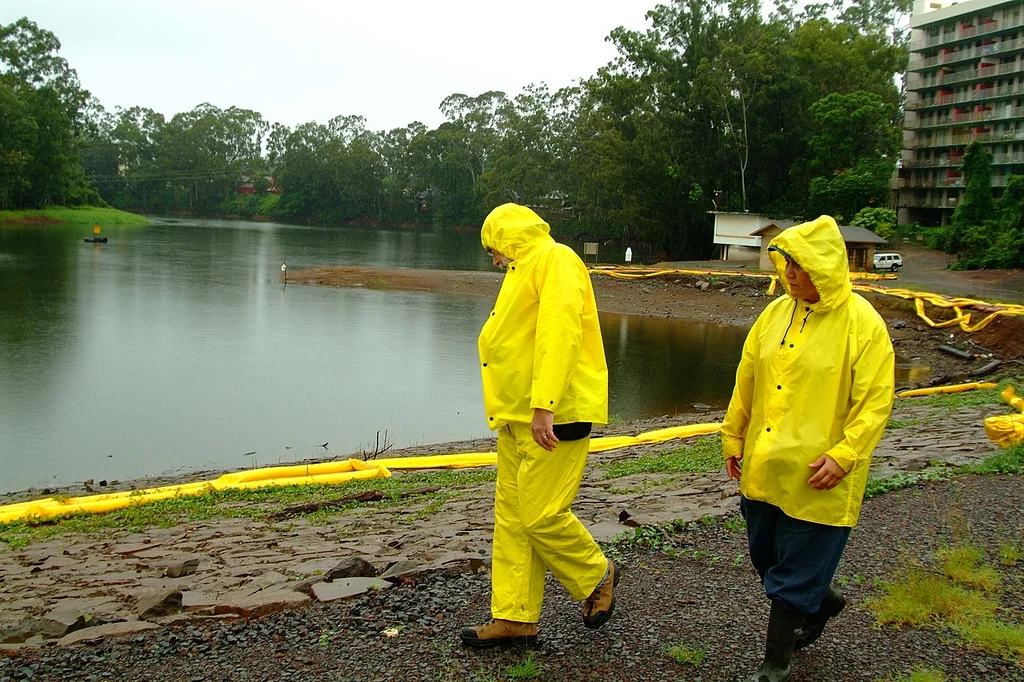
The state of Hawaii has classified the dam as having “high hazard potential,” with an official determination that a failure “will result in probable loss of human life.” That classification is not new.
A Honolulu Civil Beat investigation published on the same day the dam nearly failed documented a troubling pattern of corporate neglect. Dole has known for nearly five decades that the Wahiawa Dam could flood in heavy rainfall and endanger the 2,500 people who live downstream.
The state sent Dole four notices of deficiency beginning in 2009. Five years ago, the state fined the company $20,000 for failing to address safety problems on time.
Dole’s response was not to fix the dam. It was to offer to donate it to the state — on the condition that taxpayers pick up the bill for repairs.
Hawaii’s legislature went along, passing legislation in 2023 authorizing the acquisition and appropriating $5 million for the purchase and $21 million for spillway repairs.
But the deal has dragged on. A land board meeting that was supposed to advance the transfer into its final stages was canceled last week — because of the first Kona low storm.
Meanwhile, Dole has made no improvements since at least 2023, according to the state Department of Land and Natural Resources.
The company’s parent corporation, Dole plc, has posted record income and shareholder payments during the same period it claimed it could not afford dam upgrades (Editor’s opinion: Typical corporation behavior).
In recent days, Dole officials attempted to downplay the danger, insisting the dam was stable and operating as designed.
A state engineer told a public meeting in 2023 that the situation was precarious and that nothing had been done to address it, warning that a failure was not a question of “if” but “when.”
Dole installed a temporary portable barrier extending the dam’s effective crest to 90 feet. If that barrier had failed Friday, billions of gallons of water would have poured into communities already submerged.
The Last Time a Dam Broke in Hawaii
Hawaii has seen what happens when a dam fails. In 2006, the Ka Loko Dam on Kauai collapsed, killing seven people and destroying homes.
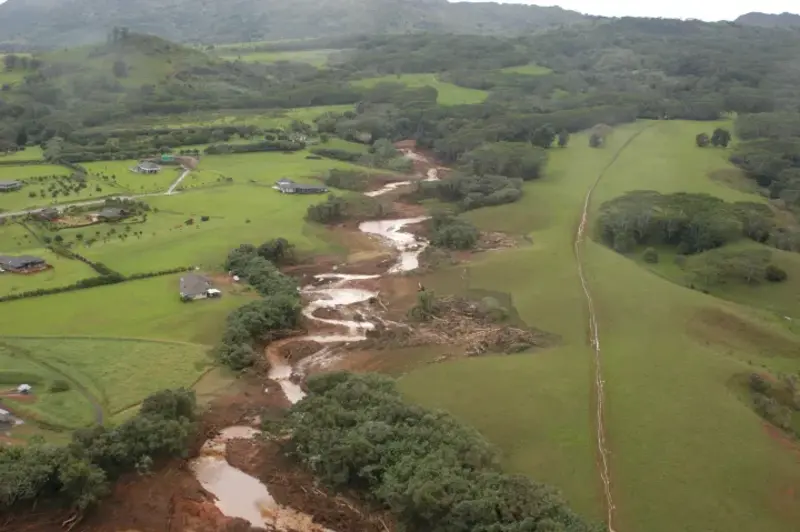
That disaster led the state to remove legal exemptions that had shielded old dams from modern safety regulations. But most of Hawaii’s dams — many built during the sugar plantation era — remain federally classified as being in “poor” or “unsatisfactory” condition.
The Wahiawa Dam is one of them. And despite years of regulatory action, fines, and public warnings, it sat over the North Shore Friday morning in almost exactly the condition engineers had been warning about for decades.
Not Just Oahu
The damage extends well beyond the North Shore. On Maui, authorities issued evacuation warnings for parts of Lahaina — the same community devastated by the deadly 2023 wildfire — as nearby retention basins neared capacity.
Flooding destroyed at least one home and a condo building on Maui. Emergency crews conducted rescues in South Maui while widespread road closures left residents stranded.
The Maui County Council held an emergency meeting to approve $12 million in storm damage funding.
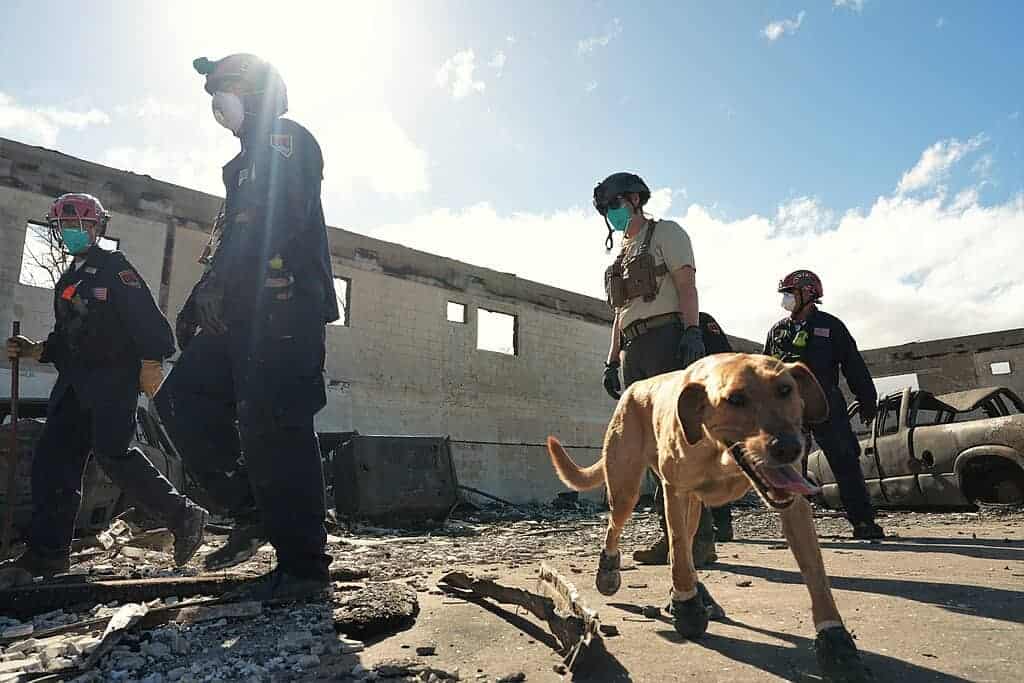
Flash flood watches and warnings extended across Oahu, Maui, Molokai, Lanai, and the Big Island through Sunday. Residents from Mokuleia to Turtle Bay were placed under a boil-water advisory after flooding potentially contaminated the water supply.
Thousands of customers remained without power on the North Shore as Hawaiian Electric worked to inspect and repair damaged infrastructure.
Governor Green has declared an emergency and said the White House has assured federal support. A disaster relief period is in effect through April 13.
Climate Change Is Making This Worse
Kona low storms are not new to Hawaii. These subtropical cyclones, which bring moisture-laden air from the south and southwest, have always been part of the islands’ weather patterns.
But climate scientists say the intensity and frequency of extreme rainfall events in Hawaii have increased as global temperatures rise.
Two major Kona lows hitting the same areas within a single week — each dumping over a foot of rain on ground that had no capacity left to absorb it — is the kind of compounding disaster that climate models have long predicted.
Warmer air holds more moisture. Warmer oceans fuel more intense storms. The infrastructure built to handle the Hawaii of a century ago was never designed for the Hawaii of today.
That is true of the drainage systems, the roads, the bridges — and especially the dams.
The fact that warmer air holds more moisture was also a major factor in the deadly Kerr, Texas flood where dozens of girls at a Summer camp lost their lives.
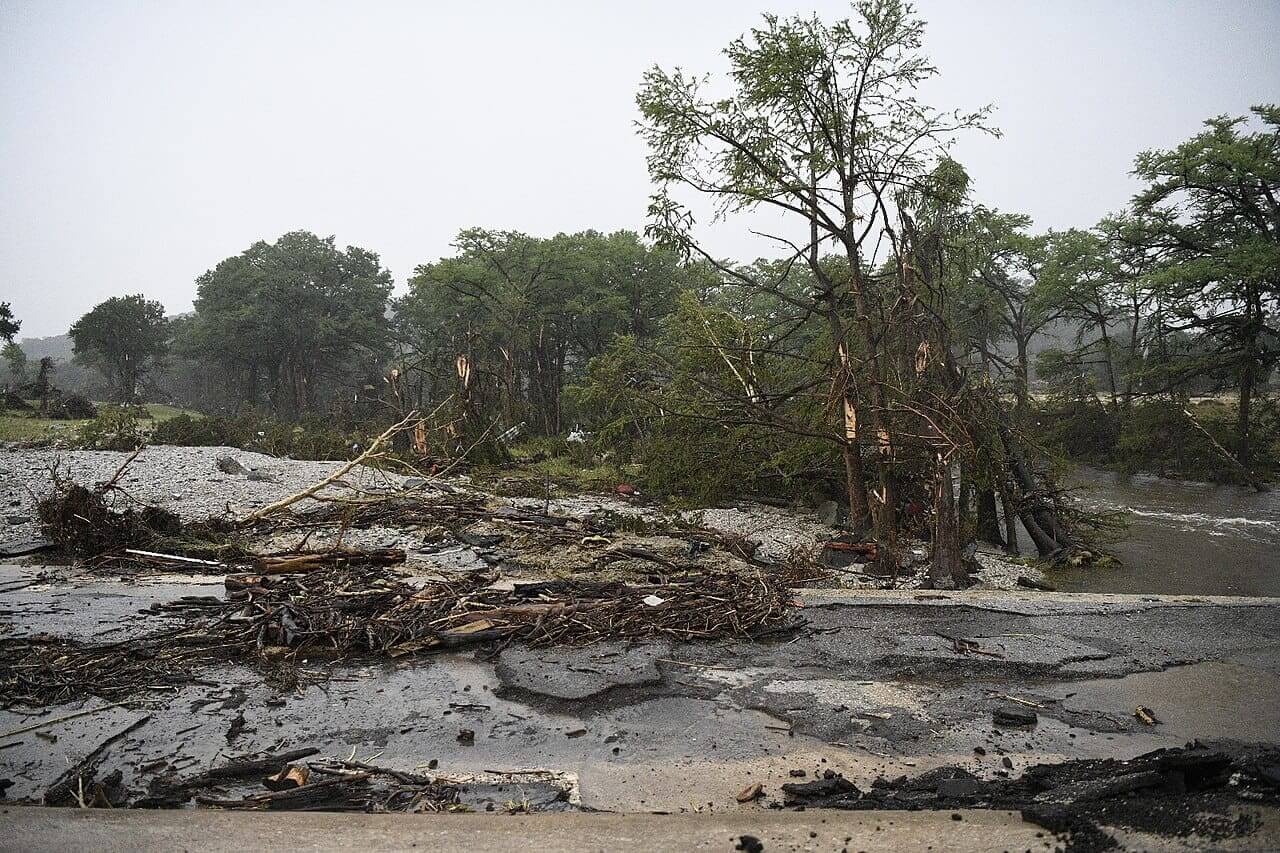
The floodwaters on the North Shore will eventually recede. The homes that can be rebuilt will be rebuilt. But the Wahiawa Dam will still be there, still failing to meet safety standards, still sitting above communities that now know exactly how close they came. The question is whether anyone with the power to act will treat this as the warning it was — or wait for the next storm to answer the question for them.