

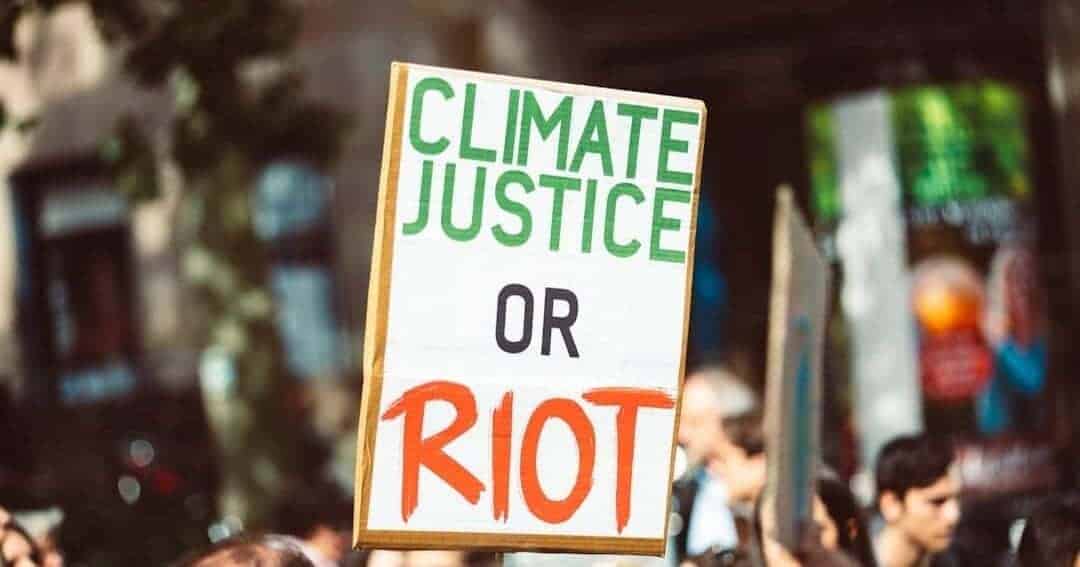
Climate change isn’t just an environmental problem. It’s a political one. And right now, the politics are losing.
The science is settled. The planet is warming. The consequences — rising seas, stronger storms, longer droughts, collapsing ecosystems — are already here and getting worse.
But despite decades of warnings and mounting public demand for action, the United States continues to fall short on meaningful climate legislation. The reason isn’t complicated: political polarization has turned the survival of a livable planet into a partisan debate.

This article breaks down the relationship between climate change and politics — how government action works (and doesn’t), what legislation has actually passed, where the parties stand, and what it will take to move forward.
What Climate Change Actually is (and Why Politicians Need to Understand it)
Climate change refers to long-term shifts in global temperatures and weather patterns. While natural climate cycles have always existed, the current crisis is overwhelmingly driven by human activity — burning fossil fuels, clearing forests, and pumping greenhouse gases into the atmosphere at an unprecedented rate.
The results are not abstract. Sea levels are rising. Extreme weather events are becoming more frequent and more destructive. Entire species are disappearing. Public health is deteriorating in communities exposed to worsening air quality, extreme heat, and contaminated water.
These are not future problems. They are happening now, and they demand a political response rooted in science — not misinformation, not conspiracy theories, and not the financial interests of fossil fuel companies.
The challenge is that climate policy sits at the intersection of science, economics, ethics, and social equity. Legislators have to balance environmental sustainability against economic growth, weigh short-term costs against long-term survival, and do all of it under pressure from industries that profit from the status quo.
It’s complicated.
But complicated is not the same as impossible.
What Government is Supposed to Do — and What it’s Actually Doing
Governments are the only institutions with the power to set emissions targets, regulate industries, fund renewable energy development, and enforce environmental protections at scale.
That means they are, by definition, the most important players in the fight against climate change.
Effective climate action can take many forms: carbon pricing, emissions standards, investments in public transit and green infrastructure, tax incentives for renewable energy adoption, and international agreements that hold nations accountable.
Some countries are already well ahead of the United States. Germany, for example, has converted much of its public transit system to electric power, while many U.S. cities still run diesel buses.
Some American communities have begun experimenting with community solar programs — shared solar panel installations where residents split costs and share the electricity generated — but these remain the exception rather than the rule.
Rooftop gardens on urban buildings are another example of greener infrastructure gaining traction, but adoption is slow without policy support.

The effectiveness of government climate action ultimately depends on two things: whether politicians have the will to act, and whether the public holds them accountable when they don’t.
Right now, both are inconsistent at best.
What Climate Legislation Has Been Passed
At the Federal Level
Several significant climate bills have moved through Congress in recent years, reflecting a growing acknowledgment that the crisis can’t be ignored forever.
The Green New Deal, championed by progressives, laid out an ambitious vision for addressing climate change and economic inequality simultaneously — transitioning to renewable energy while creating millions of jobs and centering social justice.
It remains more of a framework than a law, largely because the current Congress lacks the votes to pass it.
The Inflation Reduction Act represented a more incremental approach, directing significant investment toward clean energy technologies with the goal of reducing greenhouse gas emissions by 2030.
Inflation-reduction-actIt wasn’t everything climate advocates wanted, but it was the largest federal climate investment in U.S. history.
Internationally, the Paris Accord brought nearly 200 countries together around shared commitments to limit global temperature rise.
The agreement galvanized collective action and demonstrated that international cooperation can drive domestic policy.
Whether individual nations follow through on their commitments is another question entirely. Especially for the United States, after President Trump pulled the country out of several International climate agreements.
At the State Level
Some of the most meaningful climate action in the United States is happening at the state level.
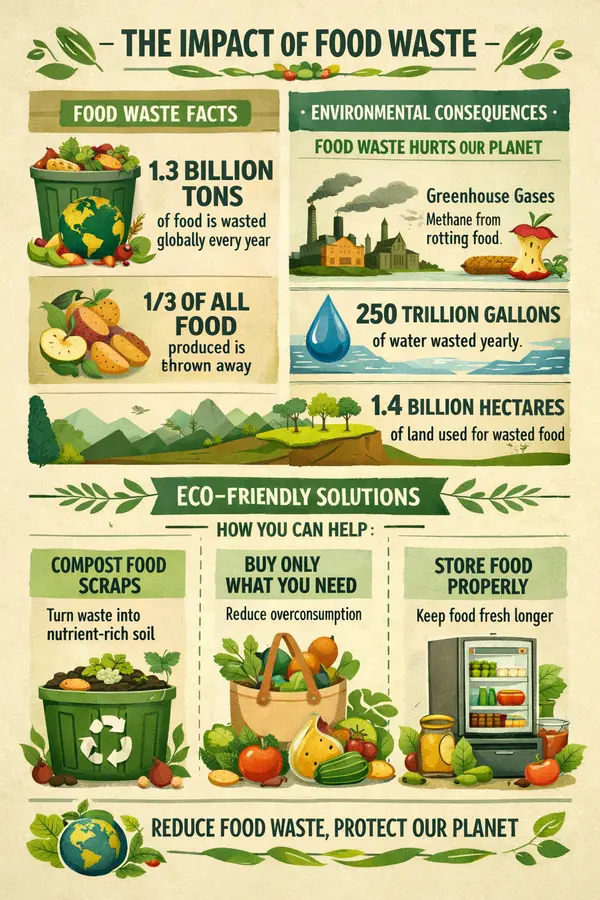
California has been a leader for years, implementing a cap-and-trade program that puts a price on carbon emissions from major polluters.
Other states have followed with their own climate action plans — strategies tailored to local conditions that address everything from sustainable urban development to waste reduction to renewable energy targets.
These state-level efforts matter for two reasons. First, they produce real results in the communities where they’re implemented. Second, they serve as proving grounds for policies that can eventually be adopted at the national level. When a state demonstrates that a climate policy works without destroying its economy, it becomes much harder for federal opponents to argue that it can’t be done.
Federal Frameworks That Shaped the Conversation
The Clean Power Plan, introduced during the Obama administration, aimed to reduce emissions from power plants and accelerate the transition to cleaner energy sources.
It faced legal challenges and political opposition, but it established an important precedent: the federal government has both the authority and the responsibility to regulate carbon emissions from the energy sector.
Federal investment in renewable energy research and development is equally important. When the government funds innovation in clean energy technology, it drives down costs, creates new industries, and positions the U.S. to compete in the global clean energy market. This isn’t just environmental policy — it’s economic strategy.
Where the Parties Stand
Democrats
The Democratic Party broadly supports aggressive climate action. Their platform emphasizes government intervention to address environmental injustice, investment in renewable energy, and international cooperation through agreements like the Paris Accord.
Progressives within the party have pushed the conversation further left with proposals like the Green New Deal, which frames climate policy as inseparable from economic revival and social equity.
Democrats generally argue that the transition to a green economy isn’t a burden — it’s an opportunity. Clean energy jobs, reduced healthcare costs from cleaner air, and long-term economic stability are the returns on investment. The challenge for Democrats has been translating that vision into legislation that can survive a polarized Congress.
Republicans
The Republican Party’s relationship with climate change is more complicated — and more fractured.
The party’s mainstream position has historically prioritized economic considerations over environmental regulation, arguing that market-driven solutions and private-sector innovation are more effective than government mandates.
Some Republican leaders have begun to acknowledge the reality of climate change and the need for some form of action. But the party remains deeply divided, with a vocal faction that still dismisses climate science as a hoax and frames environmental regulation as government overreach.
This internal divide, combined with the fossil fuel industry’s outsized influence on Republican politicians, makes bipartisan climate legislation extraordinarily difficult to achieve.
The result is a party that often blocks or waters down climate policy — not because a majority of Americans oppose it, but because donors and the political incentives within the party reward obstruction over cooperation.
Public Opinion and the Power of Advocacy
Why Activism Matters
Public opinion is one of the most powerful forces shaping climate policy. Grassroots movements, environmental organizations, and individual activists have been essential in raising awareness, shifting the conversation, and pressuring lawmakers to act.
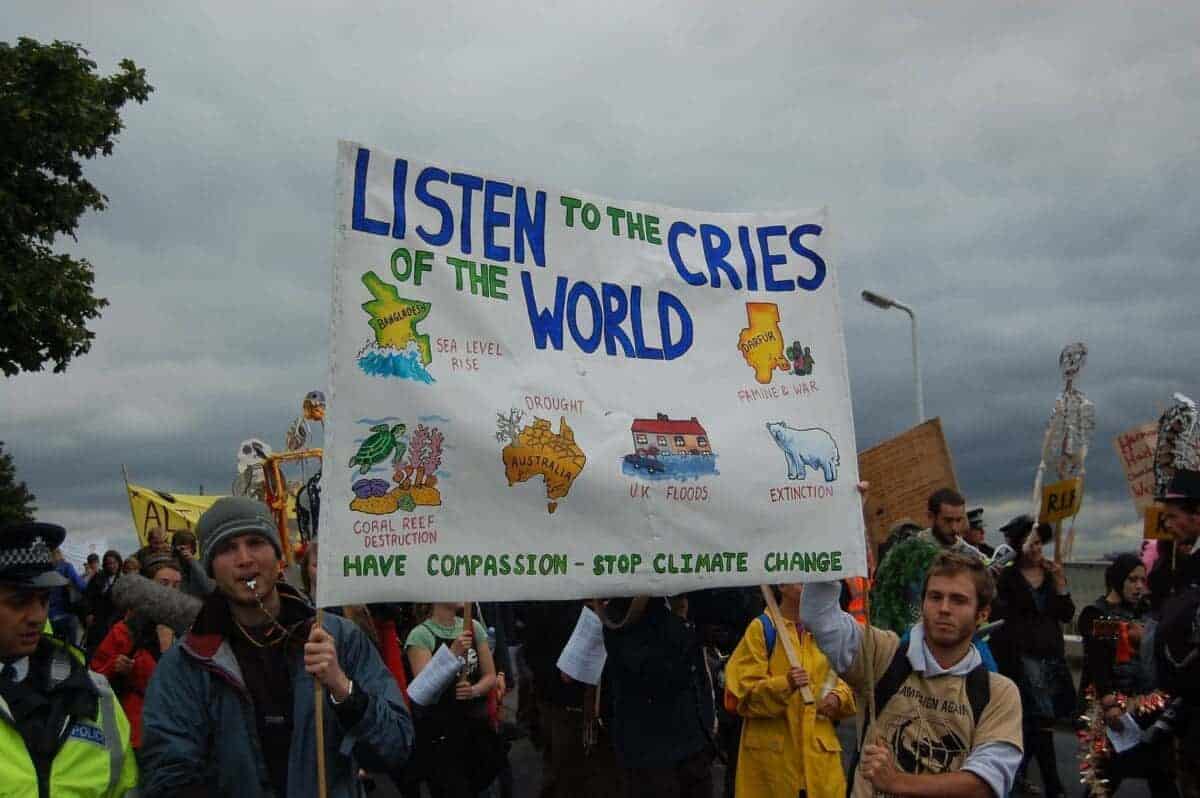
Climate strikes, protest campaigns, and youth-led movements have captured global attention and forced climate change onto legislative agendas where it might otherwise have been ignored.
High-profile young activists have made the moral case for action impossible to dismiss: the people who will live longest with the consequences of inaction are the ones demanding change most urgently.

The Shift in Public Sentiment
Polling consistently shows that public concern about climate change is growing — and that younger voters, in particular, prioritize environmental issues when they vote. This shift matters. When politicians see that climate is a ballot-box issue, they adjust their positions accordingly.
Candidates who ignore climate change increasingly do so at their own electoral peril.
The intersection of climate and social justice has also broadened the movement’s appeal. Communities of color and low-income communities are disproportionately affected by pollution, extreme heat, and environmental degradation.
Advocacy for these marginalized communities has brought environmental justice into the mainstream conversation, connecting climate action to the broader fight for equity and human dignity.
What’s Standing in the Way
Political Polarization

This is the big one. Despite broad public support for climate action, political polarization continues to be the single greatest obstacle to effective legislation. The gap between the two major parties on climate policy is enormous, and it has only widened in recent years.
Corporate lobbying makes it worse. The fossil fuel industry spends hundreds of millions of dollars every year to influence legislation, fund friendly politicians, and spread doubt about climate science. As long as that money flows, bipartisan cooperation on climate isn’t possible.
Overcoming this polarization will require more than good arguments. It will require sustained public pressure, strategic coalition-building, and a willingness from voters to make climate a deciding factor in every election.
Economic Anxiety
Politicians frequently cite economic concerns as a reason to delay or weaken climate legislation. The fear is that transitioning away from fossil fuels will destroy jobs in coal, oil, and gas industries — and the communities that depend on them.
This fear is not entirely unfounded. Transition costs are real, and workers in fossil fuel industries deserve support and retraining opportunities, not abandonment.
But the argument that we can’t afford to act on climate ignores the far greater economic costs of inaction: disaster recovery, healthcare expenses from pollution-related illness, agricultural losses, and infrastructure damage from extreme weather events.
The math is clear. The cost of doing nothing is catastrophically higher than the cost of transitioning to clean energy.
What Comes Next
The Road Ahead for Legislation
The future of climate legislation will be shaped by two forces pulling in opposite directions: the escalating severity of climate impacts, which makes action harder to ignore, and the entrenched political dynamics that make action harder to achieve.
If public demand continues to grow — and every indication suggests it will — new legislative opportunities will emerge. Advances in renewable energy technology are making clean power cheaper and more efficient every year, which strengthens the economic case for transition and creates openings for bipartisan support.
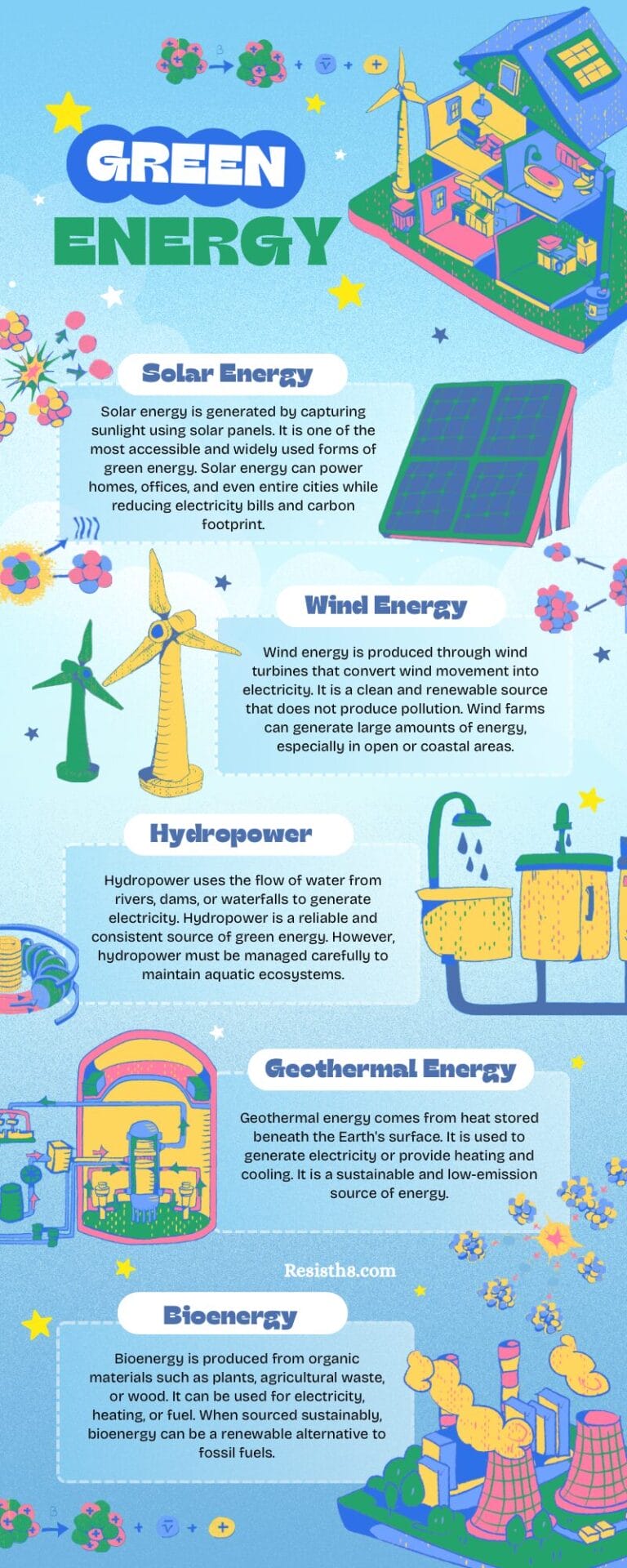
President Trump made it harder for families to save money by switching to solar energy by canceling the tax credit that made solar panel installation more affordable. The cost has gone down a lot since the option first presented itself. For those who either can’t afford to switch, or renters who don’t own their home, community (shared) solar is an option if you live in an area that offers the opportunity.
SOLAR ENERGY
While doing research for an article on switching to solar energy, I learned about a solar panel company I really like. They offer homeowners a free, no-obligation estimate. They also offer to show homeowners how much money they’ll save with a copy of a recent electric bill that includes how much electricity the family uses (kw/h). If you’re a homeowner and you’ve been thinking about generating your own power now that the cost of electricity is going up, you can learn more about the free solar panel installation estimate on our solar energy page.
Solutions Worth Watching
Several emerging approaches could reshape how we address the climate crisis. Carbon capture and storage technology, while still developing, could help reduce emissions from existing infrastructure.
Sustainable agriculture practices can capture carbon while improving food security. Circular economy models — which design waste out of production systems — are gaining traction as both environmental and economic strategies.
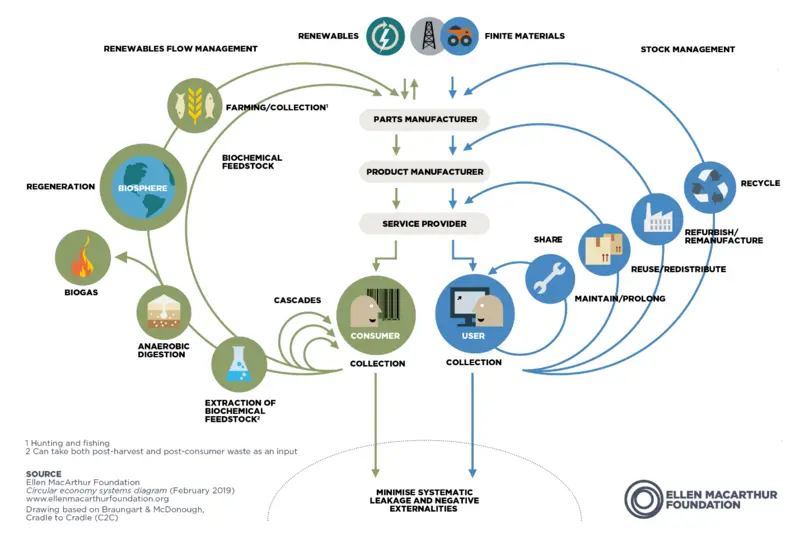
These innovations matter because they reframe climate action as an economic opportunity rather than a sacrifice. When clean energy creates more jobs than it displaces, and when sustainable practices prove more profitable than destructive ones, the political calculus changes.
The relationship between climate change and politics is messy, frustrating, and often infuriating. The science demands urgent action. Public opinion increasingly supports it.
But political polarization, corporate lobbying, and short-term economic thinking continue to stand in the way.
That doesn’t mean progress is impossible. It means progress depends on us — on voters who prioritize climate in every election, on activists who refuse to let the conversation die, and on communities that demand better from the people who represent them.
The planet isn’t waiting for Congress to get its act together. Neither should we.
FAQs
What is the Green New Deal?
The Green New Deal is a proposed legislative framework that addresses climate change and economic inequality together. It calls for a rapid transition to renewable energy, the creation of millions of green jobs, and policies that center social justice and equity.
How do state-level climate initiatives affect federal policy?
State-level programs serve as testing grounds for climate policies. When states like California demonstrate that programs like cap-and-trade work without wrecking their economies, it builds the case for similar policies at the federal level and puts pressure on Congress to act.
What role do advocacy groups play in climate legislation?
Advocacy groups raise public awareness, mobilize voters, and lobby lawmakers directly. They amplify the voices of communities most affected by climate change and help ensure that environmental justice remains central to the policy conversation.
Why does political polarization block climate action?
The two major parties hold fundamentally different views on government’s role in addressing climate change, and fossil fuel industry lobbying reinforces that divide. Without bipartisan cooperation, comprehensive legislation is nearly impossible to pass.
What trends should we watch in climate legislation?
Growing investment in renewable energy, advances in carbon capture technology, the rising political influence of younger voters, and the expanding connection between climate action and social justice are all trends that could reshape the legislative landscape in the years ahead.