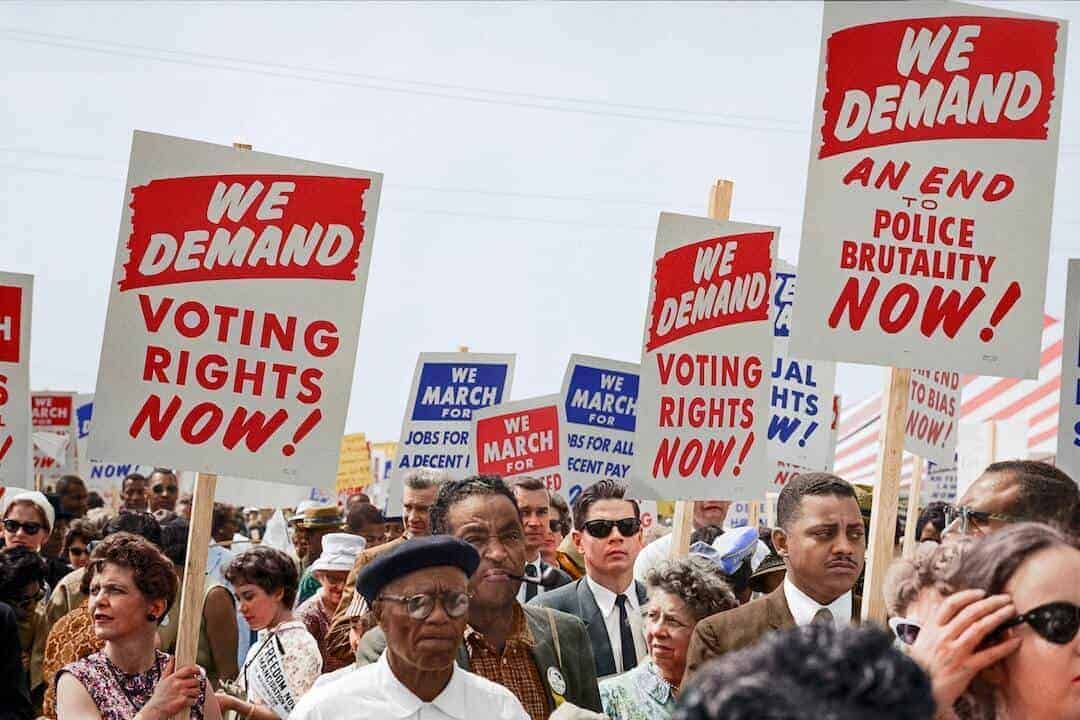


As the image above suggests, we have been unsure from the beginning whether the DOJ would release the Epstein files.
This article is a clear, straightforward explanation of the latest reporting on the newly released Epstein files — a massive collection of documents that’s become a political and cultural earthquake in the United States and around the world.
These files shed light on the wide social circle around the disgraced financier (and possible Mossad agent), Jeffrey Epstein, and raise questions about powerful people.
What Are the Epstein Files?
The term “Epstein files” refers to a massive collection (6 million+) of documents that the U.S. Departmentof Justice has been releasing in “tranches.” The DOJ released the most recent tranche on January 30, 2026.
The files include more than 3.5 million pages of records, emails, images, videos, flight logs, and other materials from investigations into Jeffrey Epstein, the New York financier convicted of child sex offenses, who died suspiciously in prison in 2019 while awaiting trial on new child sex-trafficking charges.
This release is the largest so far related to the Epstein case and was made public under the Epstein Files Transparency Act, which requires the government to release all Epstein-related documents.
Lawmakers, journalists, and advocacy groups are combing through the files to understand Epstein’s network, the scope of his crimes, and who might have been involved with him.
Why the Files Matter
The files matter for two main reasons:
1. They expose connections between Epstein and high-profile people.
Names and communications involving politicians, business leaders, royalty, and celebrities appear in the documents. Because Epstein used his wealth and influence to build powerful relationships, the files are now a window into how those networks operated.
2. They raise questions about accountability and transparency.

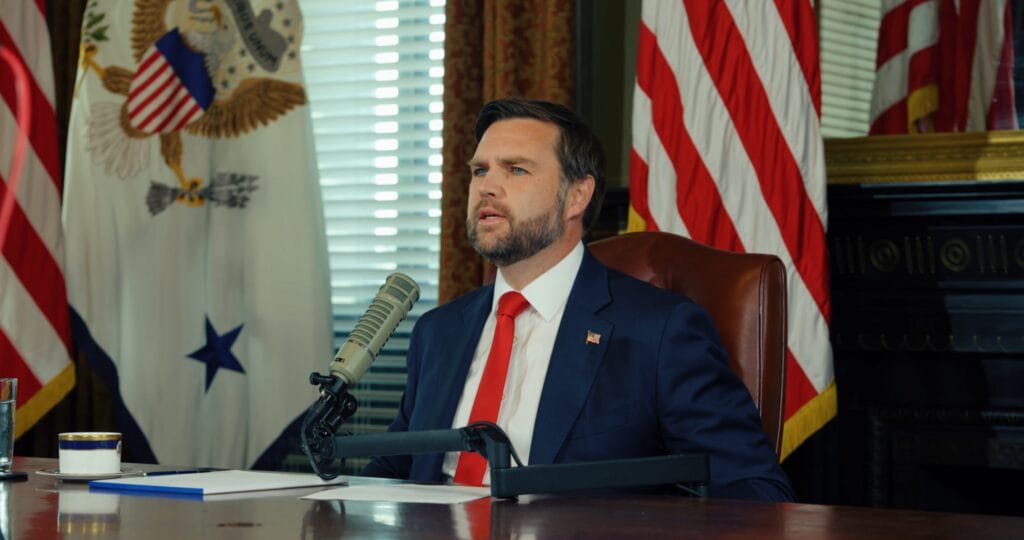

Some people are upset that large parts of the files are heavily redacted (blacked out), especially parts that could identify potential accomplices.
The provisions outlined in the Act are clear: redactions are permitted—and expected—to protect victims, but the DOJ was not permitted to redact names to protect rich and powerful individuals from embarrassment or criminal exposure.

Lawmakers from both parties are now demanding that the DOJ release the files without excessive redactions.
Whose Names Are in the Files?
Here’s what’s been revealed so far about some of the prominent names appearing in the newly released documents:
Prince Andrew

The files show emails and photos suggesting a continuing social connection between Andrew Mountbatten‑Windsor and Epstein even after Epstein had been convicted of child sex offenses in 2008.
One photo appears to show him in a compromising position, and emails suggest he invited Epstein to Buckingham Palace after his release from house arrest. This has reignited global scrutiny and calls for him to cooperate with investigations.
Sarah Ferguson
Prince Andrew’s former wife, Sarah Ferguson, also appears in the files. An email shows her thanking Epstein for being “the brother I always wished for,” even after his conviction. She has previously acknowledged that her relationship with Epstein was a “gigantic error of judgment.”
Peter Mandelson

Peter Mandelson, a former British cabinet minister and ambassador to the U.S., appears in the files through financial transactions between Epstein and his husband.
Epstein apparently sent significant sums of money after his prison sentence ended, and emails show conversations about arrangements for Mandelson when Epstein was one day released from jail. Mandelson has since apologized for his association.
Elon Musk
The files include email exchanges between Elon Musk and Epstein from around 2012 and 2013. These emails suggest they discussed the possibility of Musk visiting Epstein’s private island in the Caribbean, with Musk asking about “the wildest party” on the island. Musk has denied planning such a trip and has responded on social media.
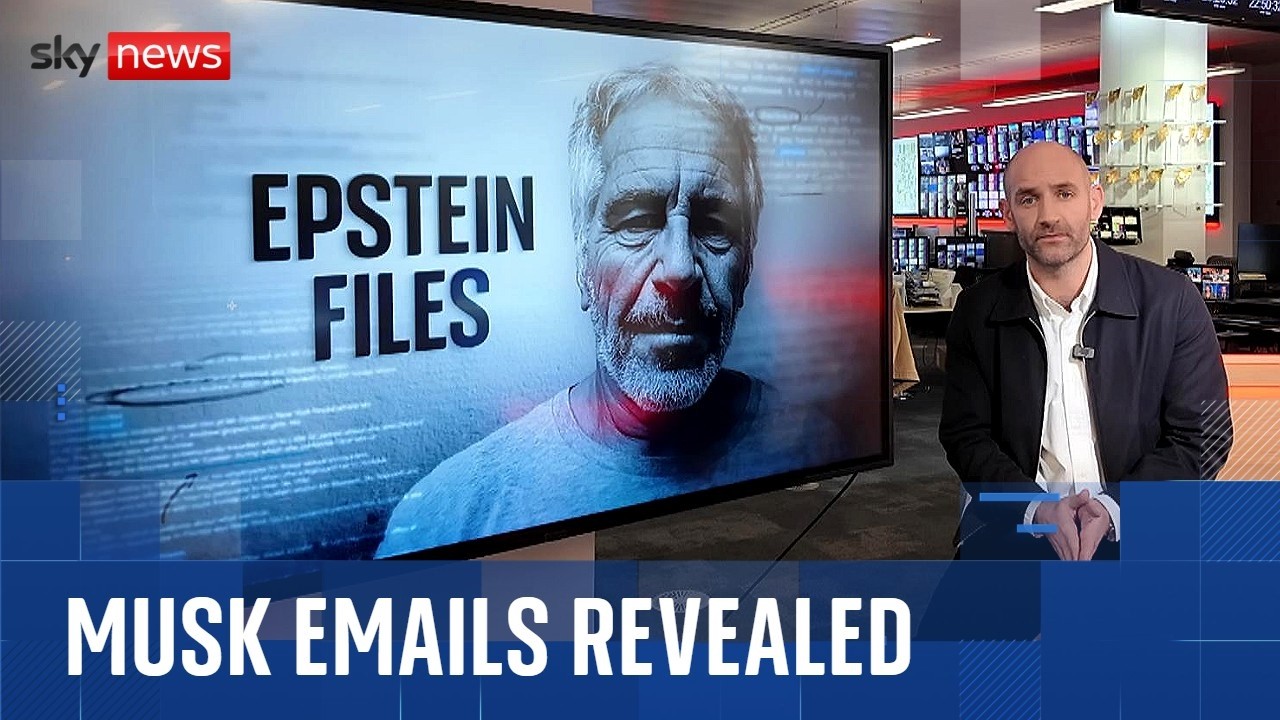
There is no evidence he committed any wrongdoing, but the exchanges have added public interest.
Donald Trump
President Donald Trump’s name appears more than 1,00 times in the files, primarily in unverified FBI allegations submitted before the 2020 election. Trump has denied any involvement in Epstein’s crimes. The Justice Department (Trump’s personal defense team), says many claims are false.
Other Names and Wider Impact
These released files also reference many other individuals, from business leaders like Bill Gates (whose representatives have denied allegations) to media figures and political operatives. Some chains of communication show regular social exchanges, invitations, and discussions about events and visits, though not all imply criminal involvement.

The files also reveal significant material about Ghislaine Maxwell, Epstein’s associate who is serving a 20-year sentence for her role in the sex trafficking operation.
It’s still unclear what’s happening between Maxwell and the DOJ after she was moved from prison to a “club fed” facility in Texas following an interview with Todd Blanche. Blanche, number two at the DOJ and the President’s criminal defense attorney, denies knowing anything about the transfer. Some are concerned that this is all leading up to a Presidential pardon.
Criticism and Next Steps
Even though millions of pages are now public, many legal experts, lawmakers, and victims’ advocates argue that half of the files remain unreleased. They are demanding full transparency so that the public can see the full context of the documents and justice can be served.
Journalists and news organizations are still going through the material, which means more revelations could come out over the coming weeks and months.
Why This Matters
At its heart, the Epstein saga isn’t about just one man’s crimes. It’s about how power and privilege intersect with justice. When courts, governments, and elites touch the same network, questions about fairness, protection, influence, and accountability inevitably arise.
These newly released files are forcing societies around the world to reconsider how justice is applied when the stakes are highest and the players are most powerful.
The broader story is still unfolding, but the message is clear: transparency matters, and millions of pages can’t stay hidden when the public demands the truth.