

Last Updated on February 3, 2026 by Serena Zehlius, Editor
One reason the Second Amendment sparks so much confusion is that the United States is an outlier among wealthy democracies. This explainer compares gun laws in other democracies with the way civilian gun ownership is handled in the U.S.
Gun Laws in Other Democracies
Many Americans assume other countries have similar constitutional protections for guns. They don’t. Here’s how gun laws in other democracies compare with the way the U.S. handles civilian gun ownership.
Overview
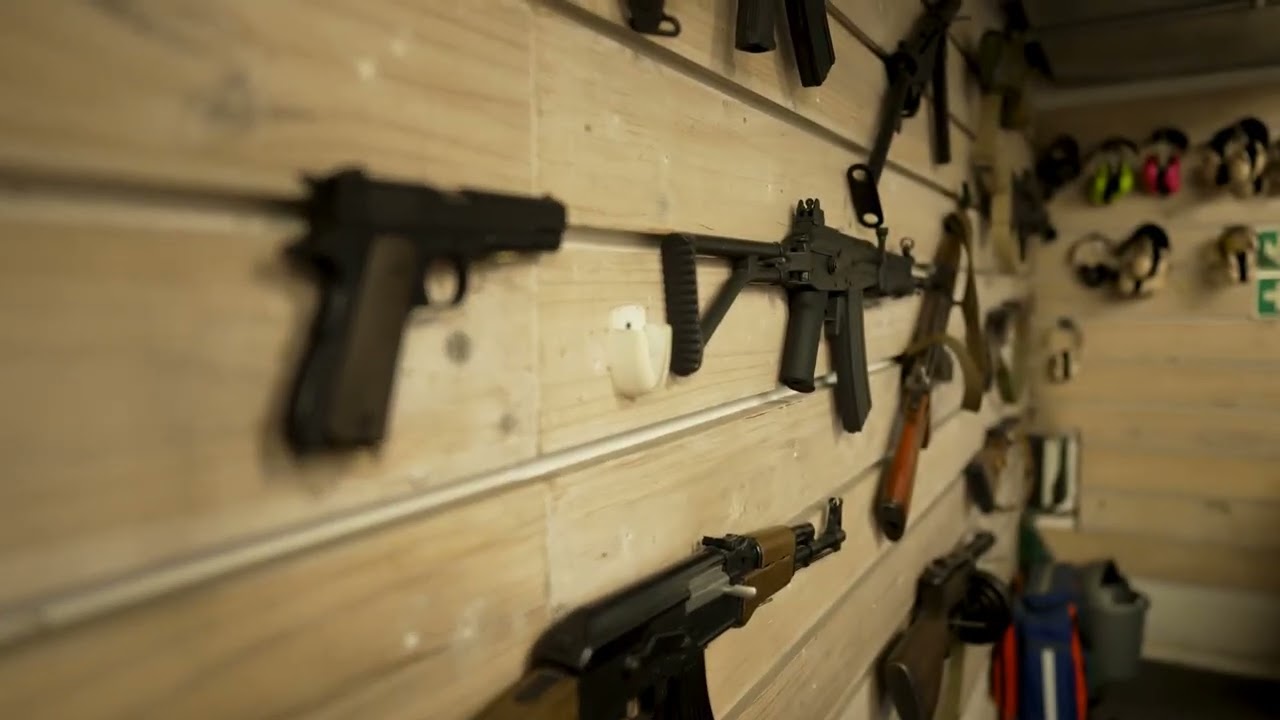
A brief overview from the Resist Hate YouTube channel
🇺🇸 The United States: Rights First, Regulation Second
In the U.S., gun ownership is treated as a constitutional right. Courts start with the assumption that individuals may own firearms, then ask whether a regulation goes too far.
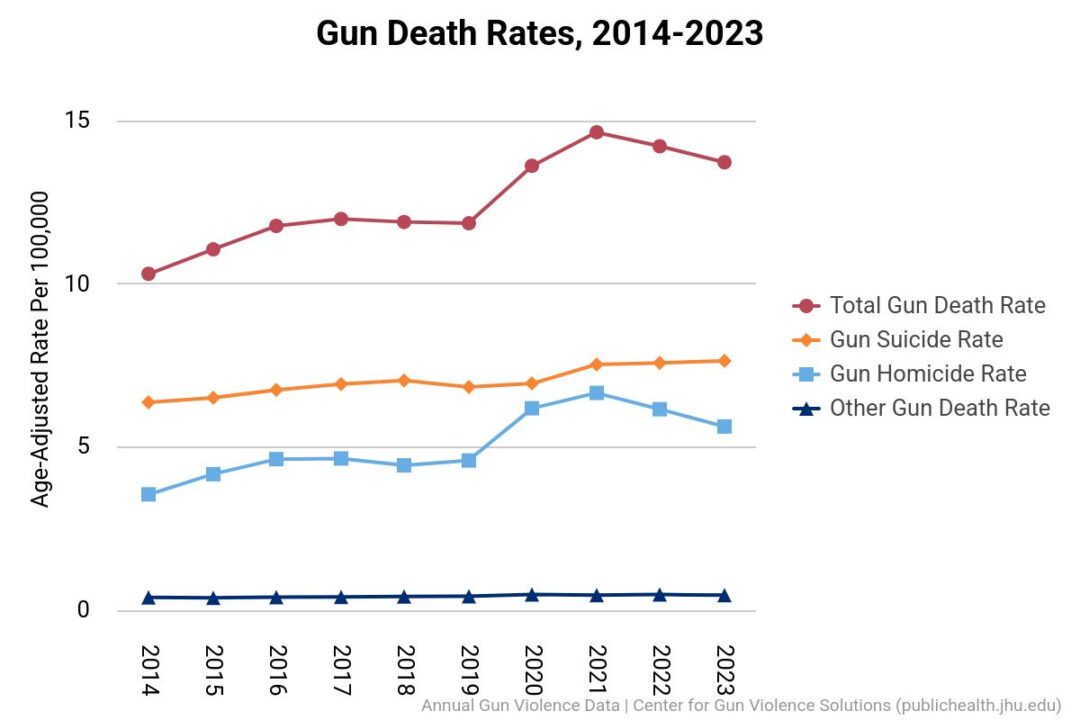
This framework makes sweeping gun laws difficult to pass and easy to challenge.
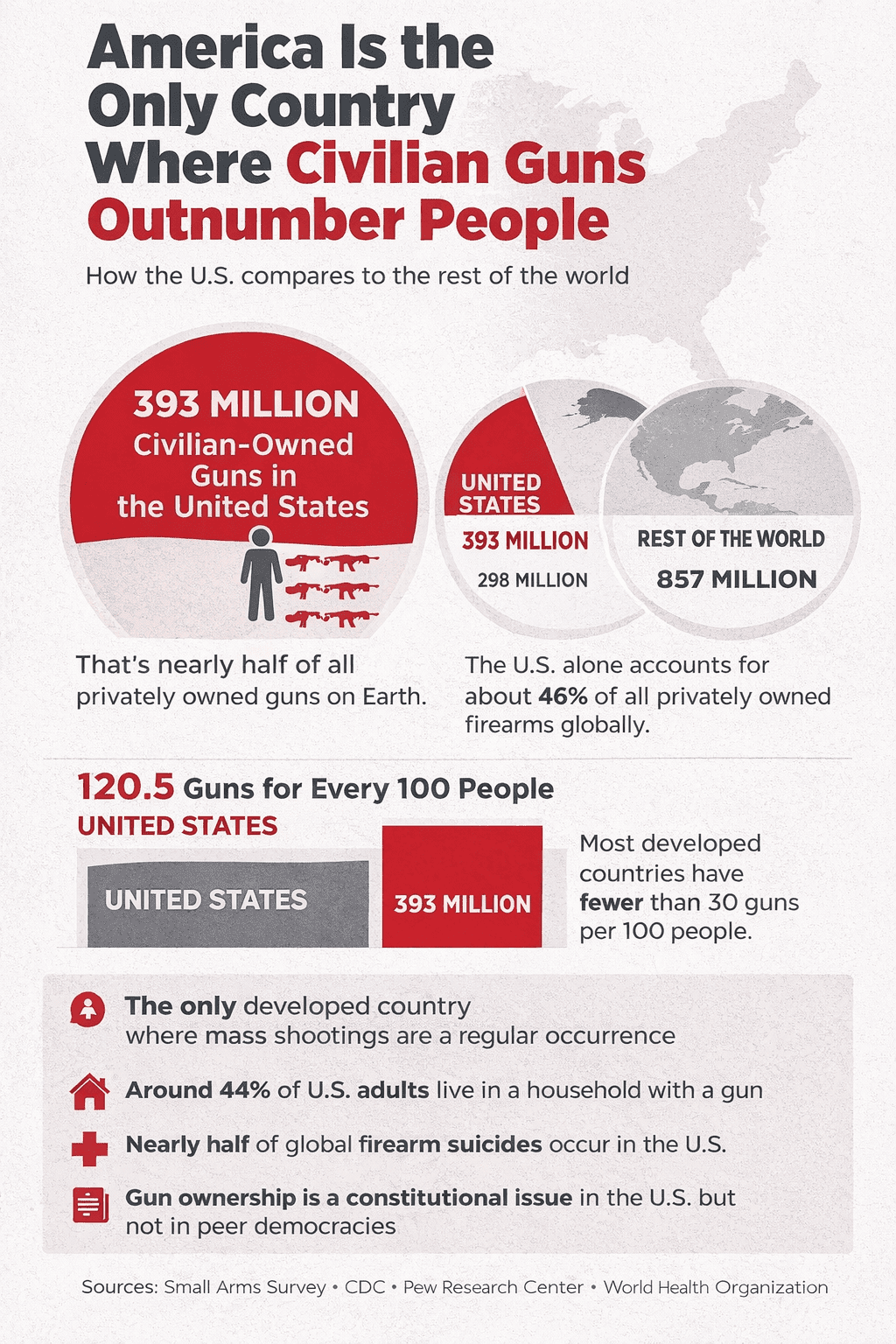
The result is a patchwork system. Gun laws vary widely by state, and federal regulation is limited. The U.S. also has far more civilian-owned guns than any other country in the world.
🇬🇧 United Kingdom: Guns as a Privilege
After a school shooting, the UK enacted strict gun laws. Most handguns are banned. Firearm ownership requires licensing, background checks, training, and secure storage. There has not been another school shooting in the UK since.
There is no constitutional right to own a gun. Parliament can change gun laws based on public safety concerns, and courts generally defer to lawmakers.
Finding out that we’re aware of a proven method of ending school shootings in America is devastating for our government. The fact that another country has successfully stopped school shootings makes our lawmakers’ refusal to act even more egregious. What is their excuse?

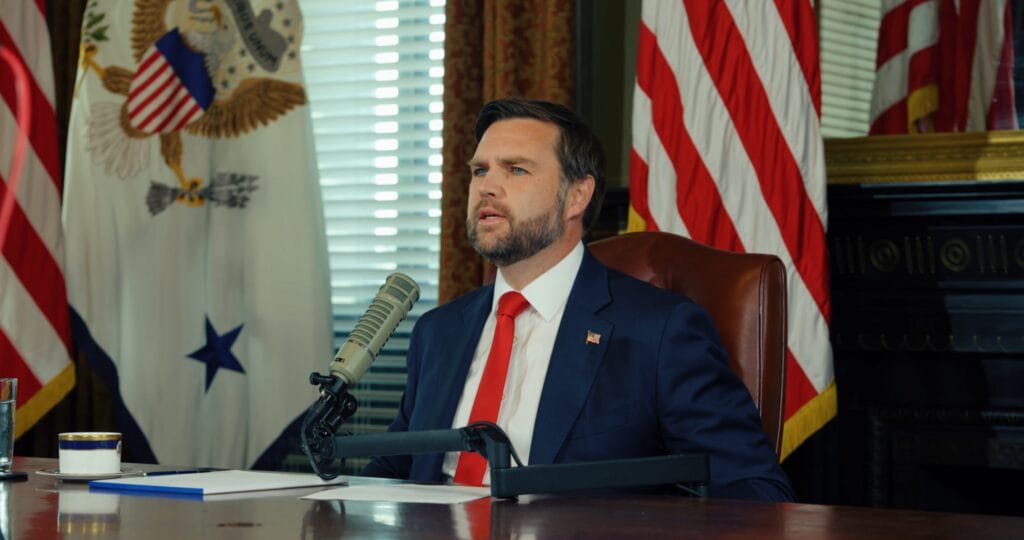
Have they ever been forced to say out loud why they won’t do anything?
Reporters, please ask the President or any member of Congress this question: “The UK stopped school shootings after children died. Why do you choose to allow our kids to die? Why didn’t you do anything after 20 six and seven year old children were gunned down on the playground in 2012?”

🇦🇺 Australia: National Reform After Tragedy
Following a 1996 mass shooting, Australia passed sweeping national gun reforms. Semi-automatic rifles were banned, and a large-scale buyback program removed hundreds of thousands of weapons from circulation.
Gun ownership is legal but heavily regulated. Like the UK, Australia treats gun ownership as conditional, not fundamental.
🇨🇦 Canada: Regulation Without a Constitutional Right
Canada allows gun ownership but requires licensing, safety training, and registration for certain firearms. Handguns are heavily restricted.
Canada’s constitution does not protect gun ownership. Laws are shaped by public policy rather than constitutional interpretation.
Why This Difference Matters
The key distinction is not culture alone. It is constitutional structure.
Other democracies ask: “Does this law improve public safety?”
The United States often asks: “Does this law violate the Second Amendment?”
That difference shapes everything from legislative debates to court rulings. It also explains why gun reform that seems modest by international standards faces enormous legal hurdles in the U.S.
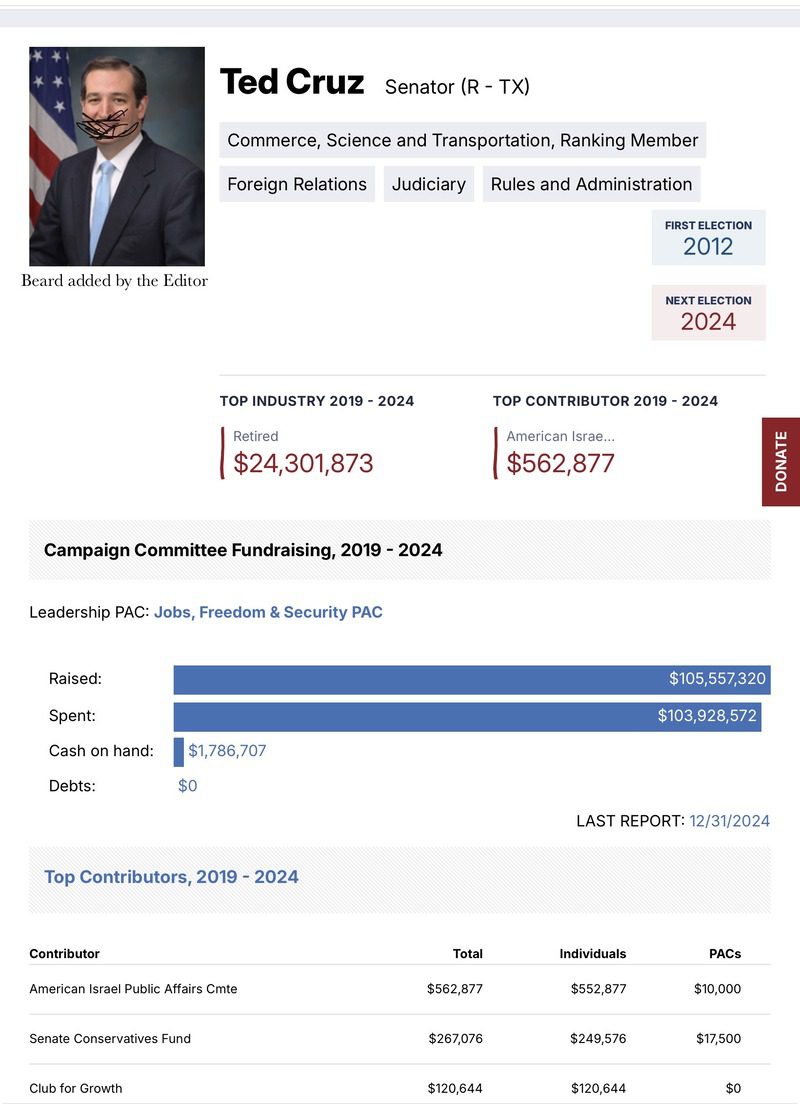
Another type of hurdle making gun control legislation nearly impossible to pass is related to the corruption in Congress. In particular, the ability of corporations and lobbying groups to bribe our politicians through “campaign contributions.”
If you look at the donor profile of any Republican (and some Democrats) in Congress, you’ll see the massive amount of money they’ve taken from the National Rifle Association (NRA), gun manufacturers, and the gun lobby in general.
OpenSecrets.org does an incredible job of tracking the donors and contributions for any politician. If your state Senator votes against gun reform legislation, check their profile on Open Secrets. Chances are, the NRA is one of their top donors.
A Uniquely American Question
The Second Amendment ties modern gun policy to fears from the 1700s: standing armies, tyranny, and state militias. The gun laws in other democracies were updated and rewritten as society changed. The U.S. has largely relied on courts to reinterpret old words instead.
Our country is “allergic” to change and progress. Even if something would make things better or improve the lives of Americans. This is why other countries are far ahead of us in terms of innovation like bullet trains, modern infrastructure, and renewable energy. Others are beating us in education and mortality rates. A civilization can’t survive if it refuses to progress, adjust, and change.
The corruption of our federal government also contributes to our inability to “keep up.” If lawmakers spent our tax dollars on things that improved the lives of Americans, and not their donors, this country would be very different.
That leaves Americans to answer a uniquely difficult question: How do we honor constitutional history while responding to modern realities that the Founders never faced?
Gun laws in the United States have long been a topic of debate and controversy, with advocates on both sides arguing passionately for their beliefs.
However, when compared with gun laws in other democracies around the world, a stark contrast emerges. While the U.S. has a strong tradition of gun ownership rooted in the Second Amendment, countries like Australia, Canada, and the United Kingdom have implemented stricter regulations to curb gun violence.
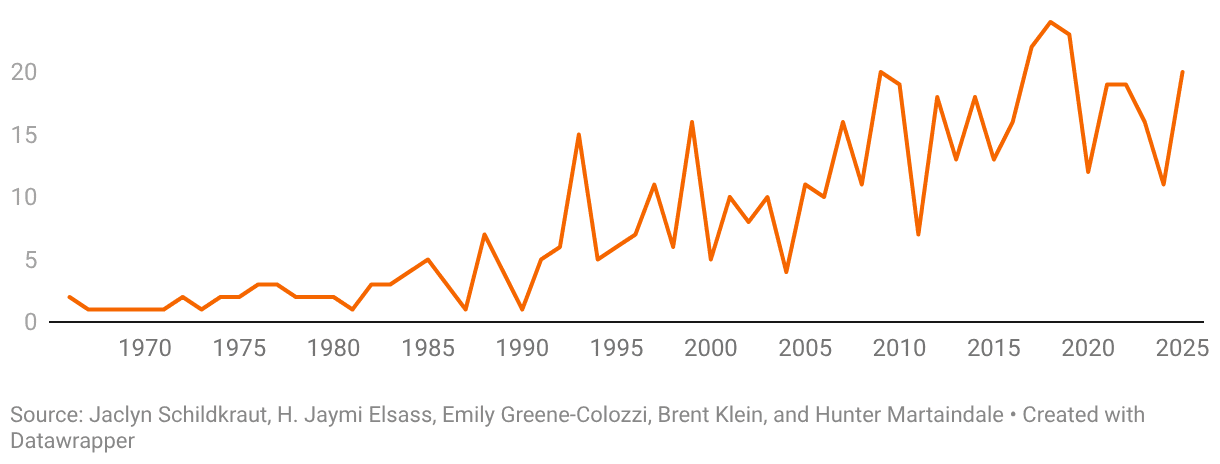
Mass shootings (including school shootings) occur roughly every 64 days in the United States. This highlights another key difference compared to gun laws in other democracies. They experienced one mass shooting and immediately changed their gun regulations to protect citizens. The U.S. experiences them several times a year and does nothing.
By examining the approaches to gun laws in other democracies, we gain insight into how different societies address the issue of gun regulation.
Which country do you most closely agree with and think “got it right” when it comes to gun regulation and protecting society? Let us know in the comments.
Read the original Second Amendment Explainer