

The parents of a Colombian fisherman killed in a U.S. boat strike haven’t sued the government, but they have spoken out and said they refuse to accept their son’s death until they see his remains. Now the families of two men killed in another U.S. boat strike have filed a lawsuit.
Questions are being raised about U.S. military authority and international law after the families of two men from Trinidad and Tobago have filed a lawsuit against the U.S. government. They argue that their loved ones were unlawfully killed during a boat strike in the Caribbean last year. This is the first time a legal challenge has reached a U.S. federal court over these strikes.
The attack in question happened on October 14, 2025. The U.S. military carried out a missile strike on a small boat off the coast of Venezuela. President Donald Trump announced the strike at the time, saying the boat was connected to drug trafficking and tied to “designated narcoterrorists.”
Among the six people killed in that strike were Chad Joseph, age 26, and Rishi Samaroo, age 41. Both men were citizens of Trinidad and Tobago. According to the lawsuit, they were not drug traffickers. Instead, the families say Joseph and Samaroo had been fishing in waters near Venezuela and were simply trying to get home to their families in Las Cuevas, Trinidad and Tobago when the missile hit.
Editor’s note: I’ve had a gut feeling throughout this campaign that innocent people were being killed in these strikes. Even if the people on the boats were transporting drugs, they weren’t “major drug traffickers, “Narcoterrorists” or drug cartel members. They were probably civilians who needed to make money or FISHERMAN. Being desperate and breaking the law to make money isn’t the best decision, but it isn’t a crime punishable by death. I’m very empathetic and have compassion for everyone (except Trump, Miller, Hegseth, and Vance), so thinking about the people our country has murdered in the Caribbean makes me sick. (Especially if I imagine all of the bodies at the bottom of the ocean or washing up on nearby shores. 😡)
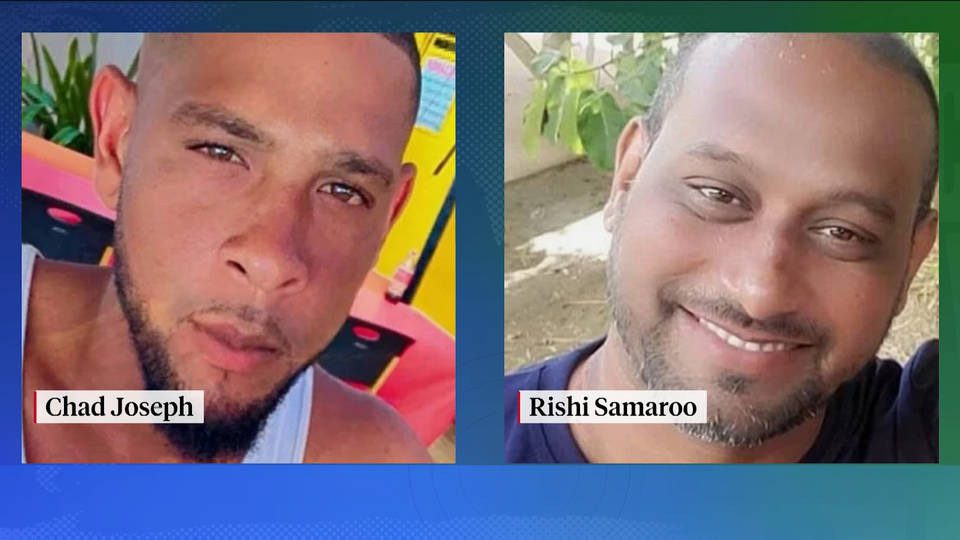
The legal action was filed in federal court in Massachusetts by Joseph’s mother and Samaroo’s sister. They are suing the federal government for wrongful death and extrajudicial killing, saying the strike was both unlawful and unnecessary. The case asks a judge to hold the U.S. government accountable and to help prevent future strikes.
The Legal Basis of the Lawsuit
This lawsuit is unusual because its legal basis reaches back to old U.S. laws that apply to deaths at sea and international human rights. Lawyers for the families are using two statutes:
- The Death on the High Seas Act (DOHSA) — a law that allows families to sue for wrongful deaths that happen more than three miles off U.S. shores.
- The Alien Tort Statute — a law that lets non-U.S. citizens bring claims in U.S. courts for violations of international law or human rights norms.
Attorneys argue these laws give them the right to seek compensatory and punitive damages for the loss of their loved ones. They say the strike lacked legal justification and amounted to an extrajudicial killing — meaning the deaths took place without legal process or trial.
What the Government Says
The Trump administration has defended the strikes, saying they are part of a larger effort to stop illegal drugs from crossing into the United States. A White House spokesperson described the October strike as an attack on “designated narcoterrorists bringing deadly poison to our shores.”
If what the spokesperson says is true, Trump wouldn’t have pardoned one of the worst drug traffickers, who was serving a 45 year sentence in a U.S. prison for bringing 400 tons of cocaine into the country. They could also wait until the boats are closer to U.S. shores to confirm that they’re actually coming here before striking.

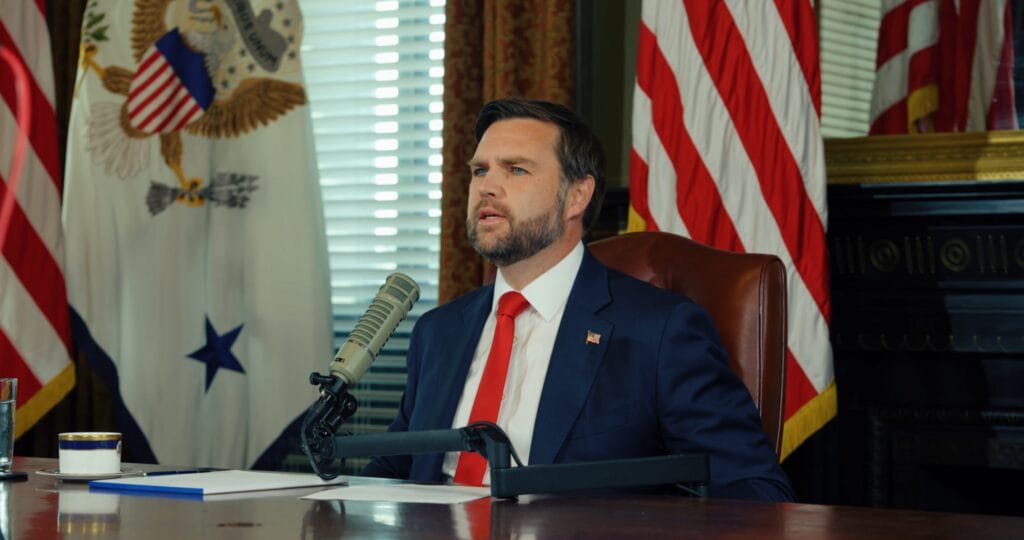
Officials argue that the president has the authority to take such action under U.S. law to protect national security and public health. They also point to intelligence that they say shows the boats targeted were involved in drug trafficking. But so far the government has not publicly released evidence backing up those claims.
Questions About the Campaign
This lawsuit also puts a spotlight on the broader boat-strike campaign that began in 2025. Since September, the U.S. military has carried out more than 35 strikes on small vessels in the Caribbean Sea and Eastern Pacific Ocean, saying each was linked to drug smuggling and cartel activity. U.S. military data shows that at least 125 people have died in these attacks.

Critics, including civil rights groups and some legal scholars, have raised alarms about these strikes. They argue that:
- The United States is not officially at war with the groups it claims to be targeting.
- Killing people on international waters without clear evidence or due process may violate international law and human rights obligations.
- There is no public proof that the men who died posed an immediate threat that justified lethal force.
Supporters of the strikes, including some regional leaders, say aggressive action is needed to disrupt drug trafficking and protect communities harmed by illegal drugs. Others caution that military force without careful oversight can lead to tragic mistakes.
For the families of Chad Joseph and Rishi Samaroo, this lawsuit is about justice and accountability. They are seeking answers about how and why their family members were killed and hope that the legal system can offer some measure of closure and help prevent similar deaths.
What happens next will unfold in court, and it will likely draw attention from legal experts, human rights advocates, and policymakers around the world as they watch to see whether the judicial branch will rein in or uphold this controversial military practice.