
Last Updated on February 4, 2026 by Serena Zehlius, Editor
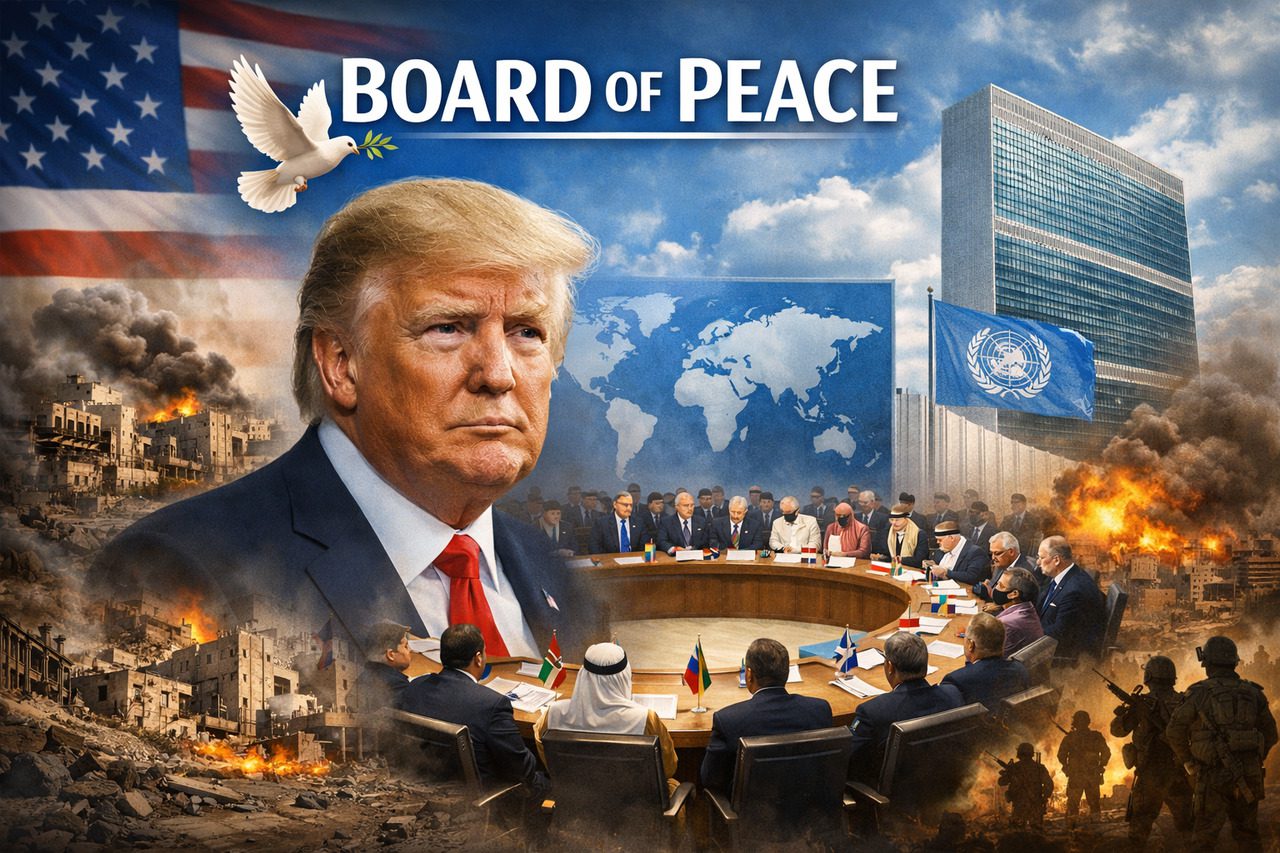
In January 2026, U.S. President Donald Trump stepped onto the world stage in Davos, Switzerland, and unveiled a bold new global initiative called the Board of Peace. It’s being pitched as a fresh way to help end wars and rebuild places torn apart by long conflict, especially Gaza.
But beneath the grand announcements, this idea has stirred major questions, mixed reactions from leaders around the world, and even concerns that it could reshape international power structures.
What is it?
So what is this Board of Peace? At first glance, Trump says it’s a global body meant to promote peace, help resolve conflicts, and support rebuilding war-torn regions.
Its first focus was supposed to be the Gaza Strip, a Palestinian territory devastated by almost three years of bombing by Israel. A United Nations Security Council resolution last year welcomed the effort to help rebuild Gaza, and that connection gave the Board a starting point.
But the charter for the Board of Peace doesn’t even mention Gaza by name. Instead, it’s written as a broader international organization that could tackle conflicts across the globe — from the Middle East to Europe and beyond. Trump will be its chairman indefinitely, meaning he could lead the group for life or at least until he steps down.
Here’s the twist: the Board of Peace comes with a $1 billion price tag to secure a permanent seat. Countries that don’t pay that fee can still join, but only for a renewable three-year term.
Trump and his team say the money will help fund reconstruction and peacebuilding. Critics, however, call it a “pay-to-play club” — a kind of exclusive diplomatic circle that risks favoring wealthier nations while sidelining established multilateral institutions like the United Nations.
When Trump signed the founding charter in Davos, a handful of nations were present — many from the Middle East, South Asia, and other regions. But major Western allies were mostly absent.
Countries like Britain, France, Spain, and several European Union members refused to join or declined to sign the charter, partly because they were uneasy about the Board’s structure and what it could mean for global governance.

One key concern is that the Board could undermine the United Nations, which for decades has been the central platform for international peace efforts.
Some diplomats and analysts say Trump’s initiative could become an alternative or rival to the UN Security Council, especially since Trump will wield significant control — including veto power — over decisions.

Another eyebrow-raising element is who has been invited or shown willingness to join. Some countries that accepted invitations are not traditional Western democracies.
Middle Eastern states like Saudi Arabia and the United Arab Emirates, Turkey, Pakistan, and others have signed on, while Russia’s President Vladimir Putin has been invited and even floated the idea of using frozen Russian assets to pay his nation’s fee.
That’s part of what has made this initiative controversial. Ukraine’s President Volodymyr Zelenskyy, for example, finds it hard to imagine participating in a peace board that includes countries aligned with Russia, given Russia’s full-scale invasion of Ukraine.
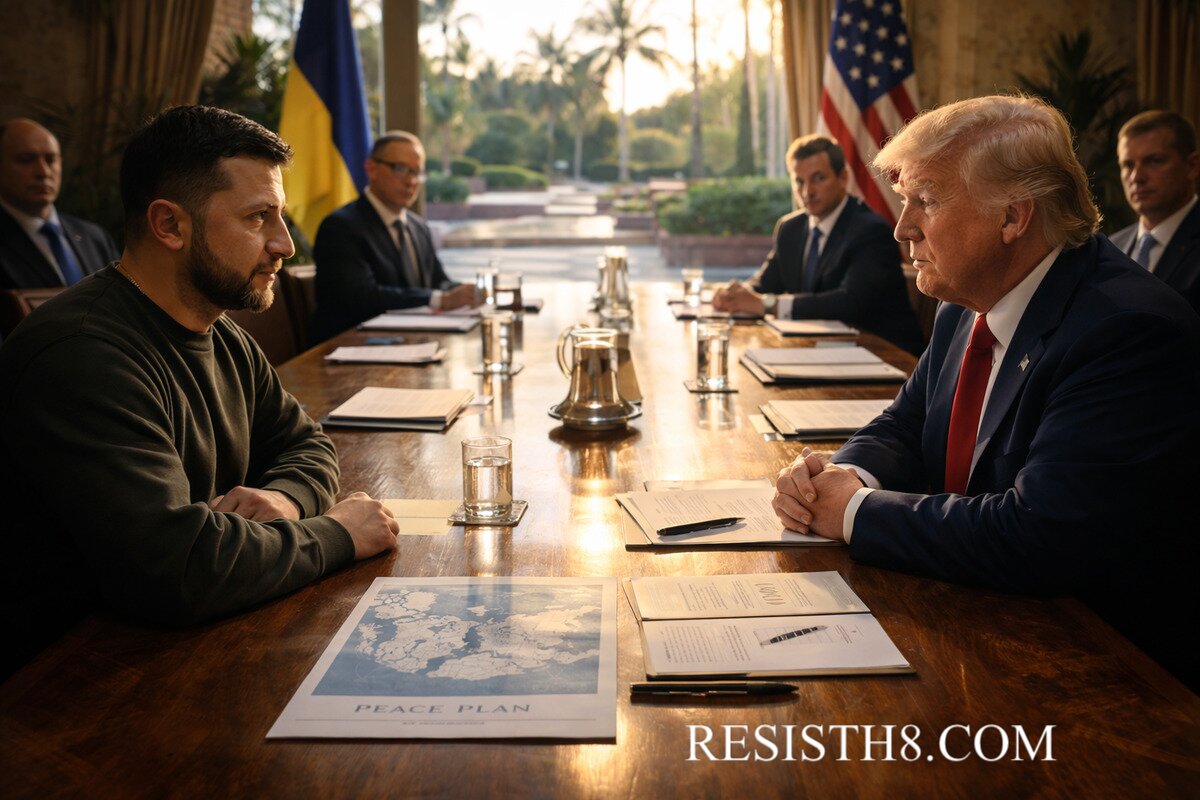
Many Western leaders have privately or publicly questioned what goals Trump’s Board really serves.
At the Davos launch, Trump praised his Board as “one of the most consequential bodies ever created,” and said it could work alongside the United Nations rather than replace it.
Board of Peace Charter
But the language in the charter and his comments about perhaps supplanting the UN have made many diplomats uneasy.
So what about Gaza? The Board is supposed to help oversee the second phase of the ceasefire and reconstruction plan after almost three years of bombing and shelling.
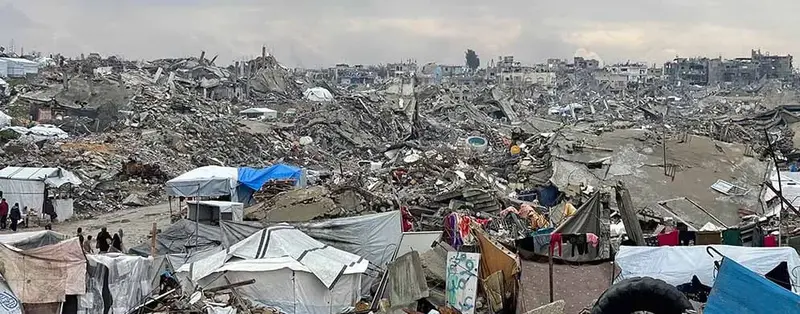
The idea that the Board would supervise demilitarization, the rebuilding of infrastructure like housing and hospitals, and the transition toward governance that could eventually restore normal life doesn’t seem realistic at this point.
Yet even as the Board was launched, violence still cast a shadow over the region. On the same day as the signing ceremony, Israeli airstrikes in Gaza killed civilians, reminding the world that peace remains fragile and far from guaranteed.
Donald Trump’s Board of Peace is a bold idea with big ambitions. It’s supposedly meant to bring countries together and propose new ways to address conflict and reconstruction.
But the world’s mixed reaction — from cautious support in some countries, to outright skepticism or rejection in others — shows that many questions remain about whether this new body could truly deliver peace.
And as the debate continues, one thing is clear: the Board of Peace isn’t a peace initiative — it’s reshaping conversations about who gets to lead on global security and how international power should be shared in the 21st century.