
In a case that has drawn national attention, the U.S. government has formally apologized in federal court for mistakenly deporting a college student who was trying to travel home for Thanksgiving. The incident has raised fresh questions about immigration enforcement, court authority, and how easily bureaucratic missteps can upend a young person’s life.
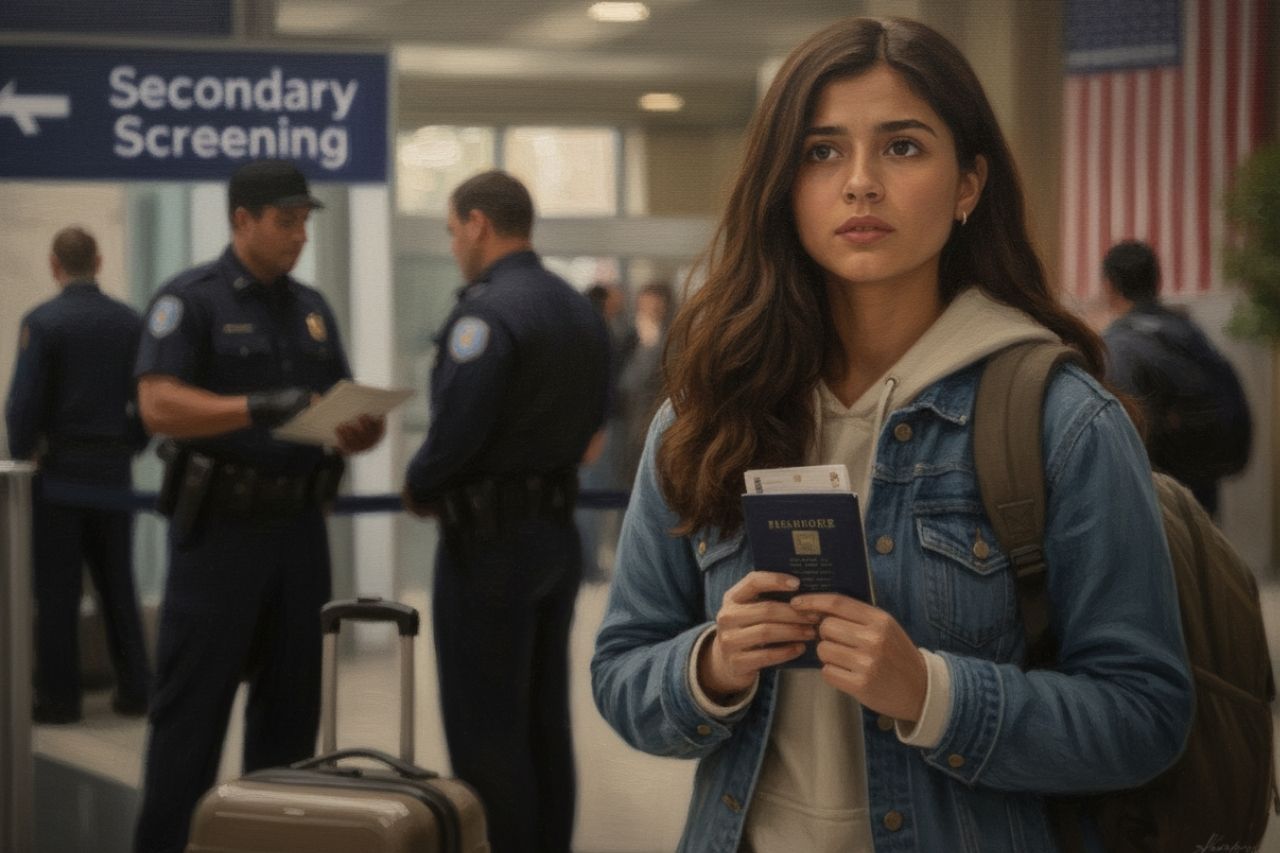
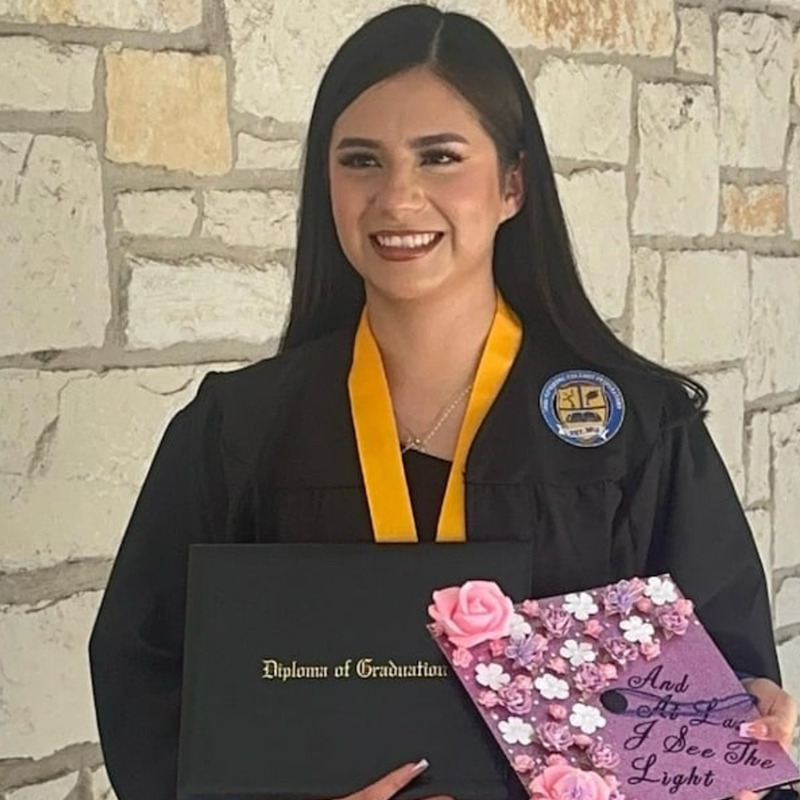
The student at the center of this dispute is 19-year-old Any Lucia Lopez Belloza, a freshman at Babson College in Massachusetts. Lopez Belloza, whose family migrated from Honduras to the United States in 2014, was planning to fly to Texas to surprise her family for Thanksgiving when she was stopped by immigration agents at Boston’s Logan Airport on November 20.
Two days later, she was deported to Honduras — even though a federal judge had issued an order the day before directing authorities to keep her in the United States.
The deportation occurred despite a November 21 emergency court order that explicitly required Lopez Belloza be held in Massachusetts or elsewhere in the United States for at least 72 hours. That order was meant to pause her removal while legal challenges played out.
But government lawyers later admitted in court that an immigration officer mistakenly believed the order was no longer effective once Lopez Belloza left Massachusetts. That misunderstanding triggered her transfer first to Texas and then to Honduras.
At a federal court hearing in Boston, Assistant U.S. Attorney Mark Sauter acknowledged the government’s error and offered an apology on behalf of federal authorities. “The government regrets that violation and acknowledges that violation,” Sauter said, according to court records.
Although he apologized, Sauter argued officials acted within their legal authority and that the deportation shouldn’t undermine the government’s broader immigration enforcement efforts.
Lopez Belloza’s lawyer, Todd Pomerleau, told reporters that the apology was important but far from sufficient. He pointed out that the government made no effort to facilitate her return to the United States after the mistake was discovered — meaning she remains separated from her studies and community. Babson College classes had resumed, and Lopez Belloza was planning to continue her education remotely from Central America.
The court has not yet ordered the government to bring Lopez Belloza back to the U.S., and a federal judge did not sanction officials for contempt of court even after acknowledging the mistake.
Instead, Judge Richard Stearns signaled that he may explore practical solutions — including the possibility of issuing a student visa that would allow Lopez Belloza to return and resume her studies legally.



This episode has added fuel to a broader debate about immigration policy and enforcement practices. Advocates for immigrants’ rights argue that Lopez Belloza’s case illustrates systemic problems when agencies interpret or mishandle judicial orders.
Critics say bureaucratic errors like this one show the urgent need for clearer processes and safeguards so that immigration enforcement does not turn into a game of “gotcha” for those simply trying to live, study, and work in the United States.

The Trump administration’s acknowledgment of error is relatively rare in immigration enforcement. While governments sometimes express regret for mistakes, formal apologies in court — especially involving deportations — are not common.
After one prosecutor’s admission of the mistake in deporting Kilmar Abrego Garcia resulted in his losing his job, it’s not surprising that attorneys are more hesitant to be candid about this administration’s mistakes.
Still, officials maintain that the original removal order from 2016 gives them legal grounds for Lopez Belloza’s deportation, even if the timing and wording of the court order complicated matters.
For Lopez Belloza, the human toll has been clear: she is physically separated from classmates, living with relatives in Central America, and left with uncertainty about her academic future.
Her attorney and supporters argue that deportation shouldn’t be the default outcome when there is ambiguity or error in enforcement — especially for someone who has lived most of her life in the United States and is pursuing higher education.
As the legal fight continues, Lopez Belloza’s story continues to echo beyond the courthouse walls. It highlights how routine travel plans — even something as simple as a Thanksgiving visit — can turn into a life-altering event for immigrants and their families.
Whether her case will prompt policy changes or stricter oversight of how court orders are implemented remains an open question, but it has already brought a deeply personal face to the broken aspects of America’s immigration system.